Plants with a purpose
Plants worth growing.
Search the full plant list by name or choose the light and soil conditions in your garden.
By conditions
By collection
Showing 63 plants
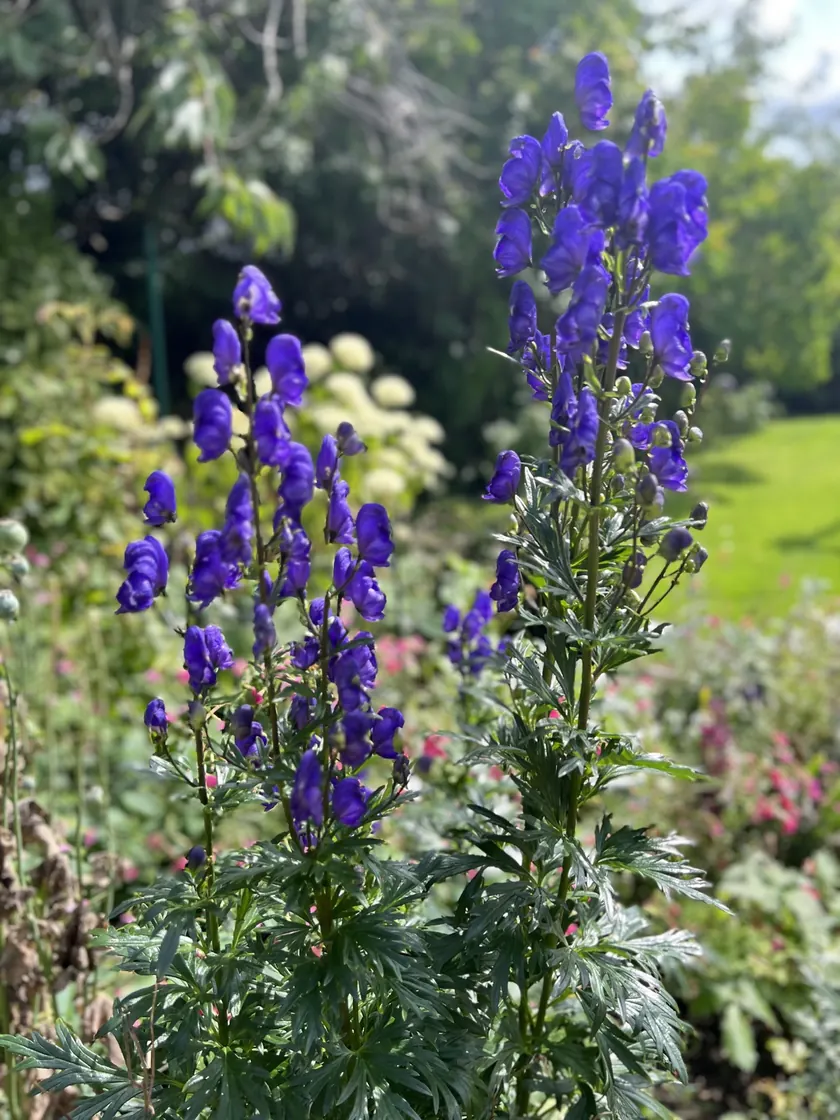 Border plantsPart shade · Moist soil
Aconitum ‘Bressingham Spire’
Tall spires give the back of the border some height without making it feel solid. All parts of aconitum are poisonous, so I handle it with gloves.
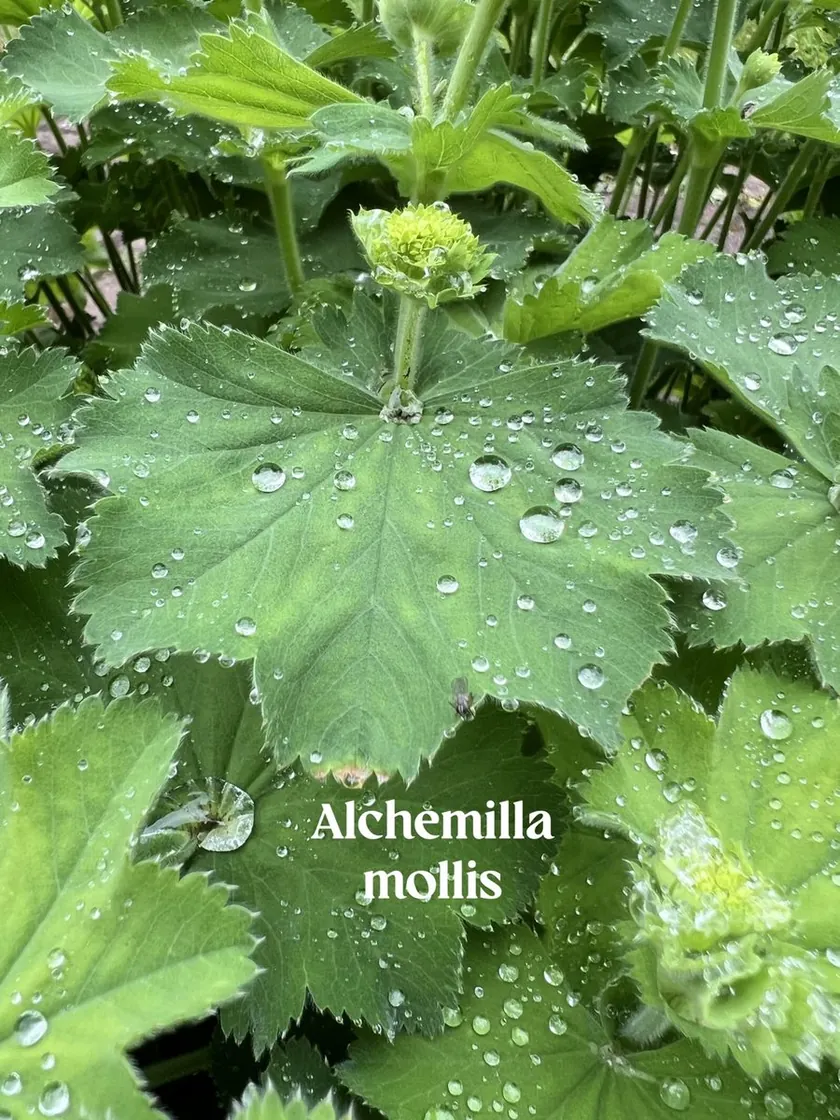 Tough plants · Shady gardensFull sun · Part shade · Moist soil
Alchemilla mollis
The leaves catch every drop of rain, then the greenish-yellow flowers soften the edge of a border. It is easy-going, but there is a limit. It still needs some moisture, even where it grows in shade.
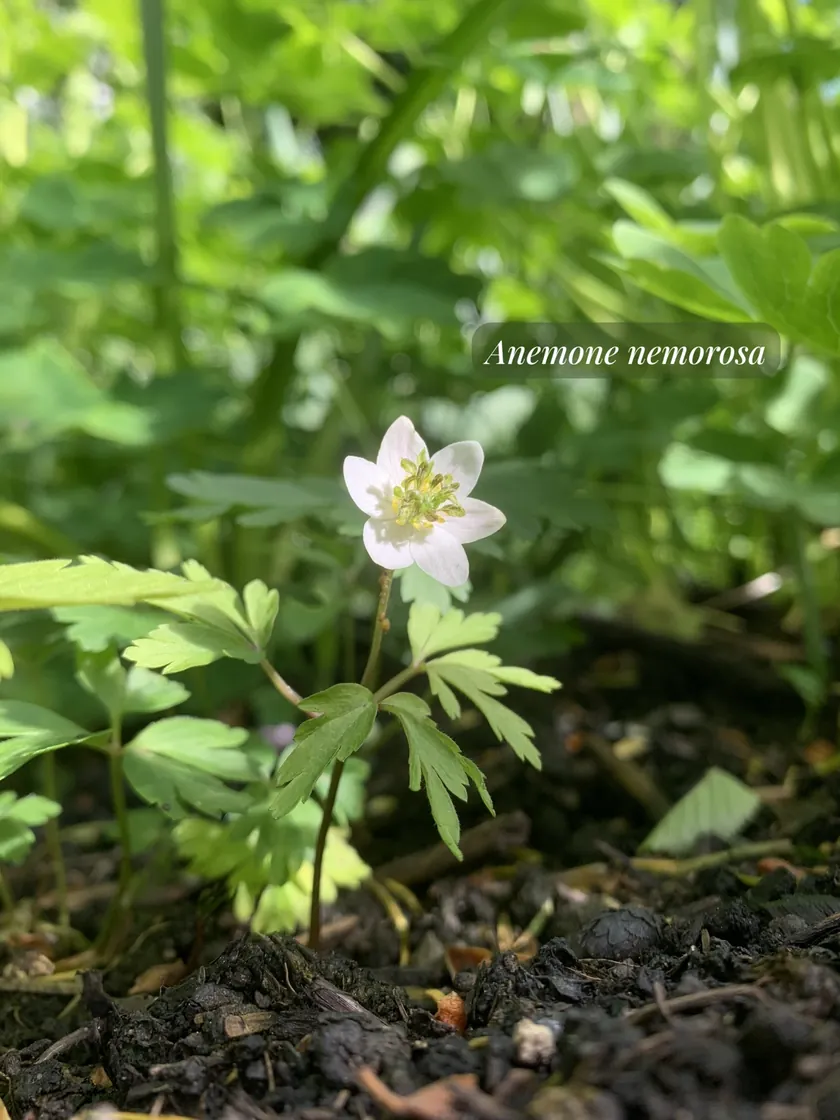 Shady borderPart shade · Moist soil
Anemone nemorosa
Small white flowers arrive before the border fills out for summer.
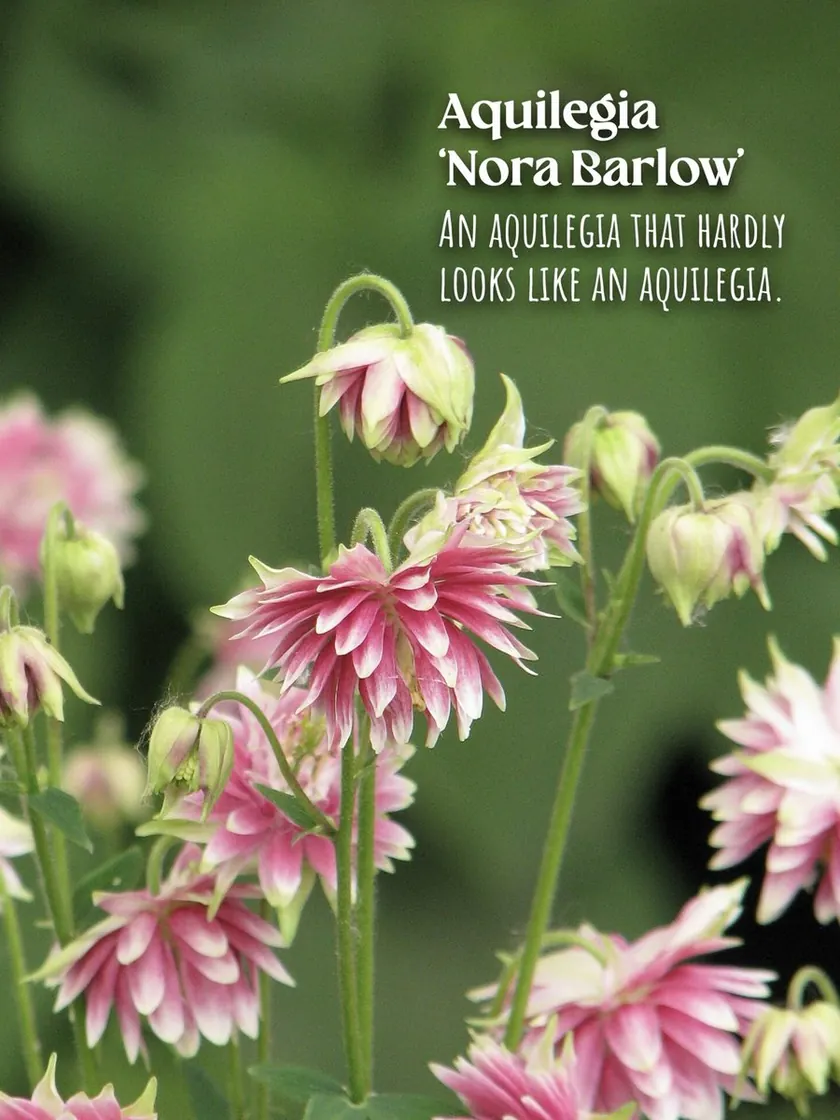 Unusual favouritesFull sun · Part shade · Well-drained
Aquilegia ‘Nora Barlow’
An aquilegia that hardly looks like an aquilegia.
 Border plantsFull sun · Part shade · Well-drained
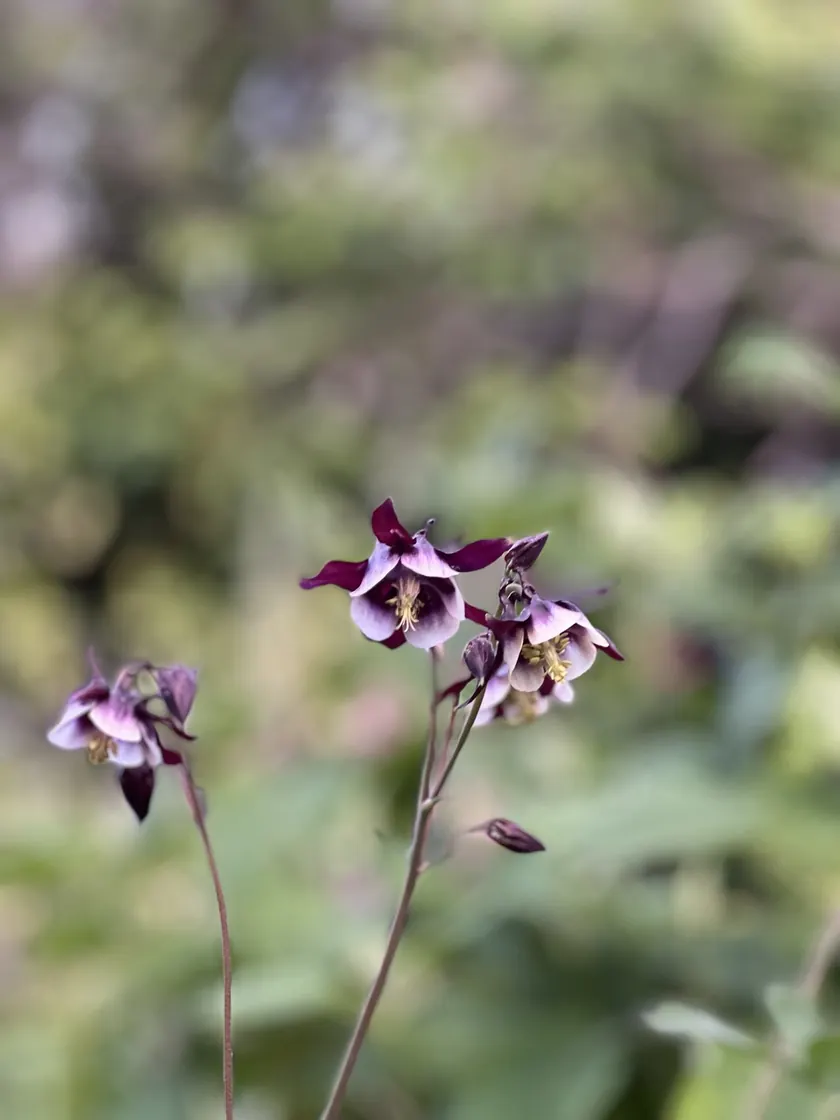
Aquilegia ‘William Guiness’
Dark outer petals and a pale centre give this aquilegia plenty of character. It is one of those small details worth stopping for.
 Tough plantsFull sun · Part shade · Moist soil
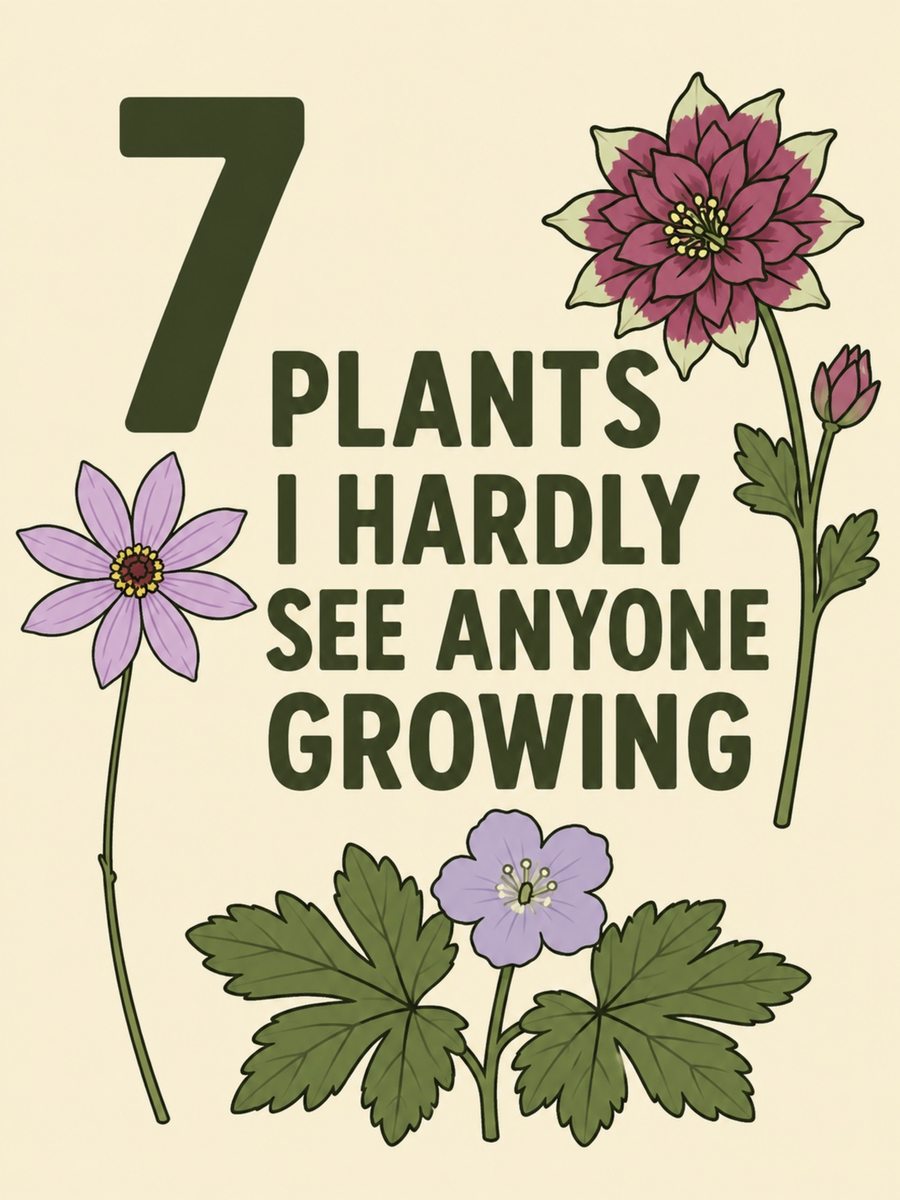
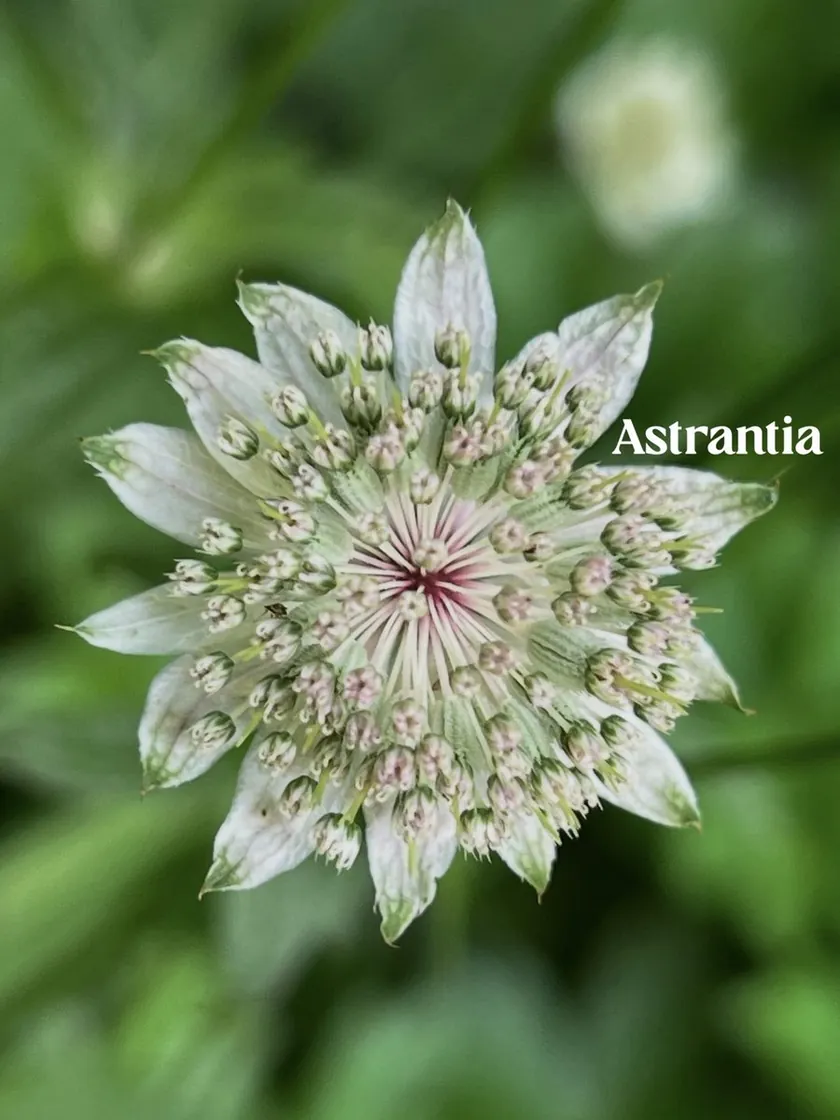
Astrantia
Small, intricate flowers beside bigger, showier things. Give it light shade or sun, with soil kept reasonably moist. Deep shade is asking too much if you want flowers.
 Border plantsFull sun · Part shade · Moist soil
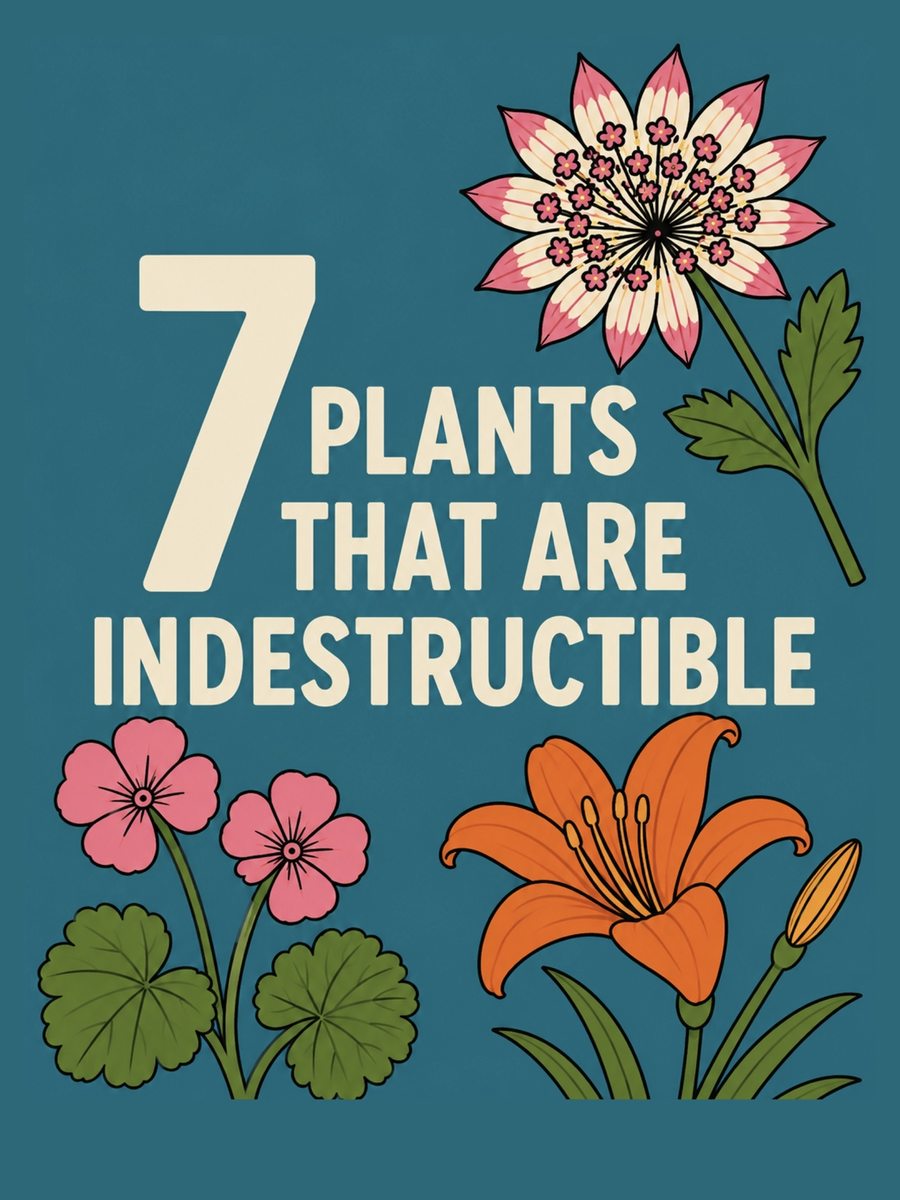
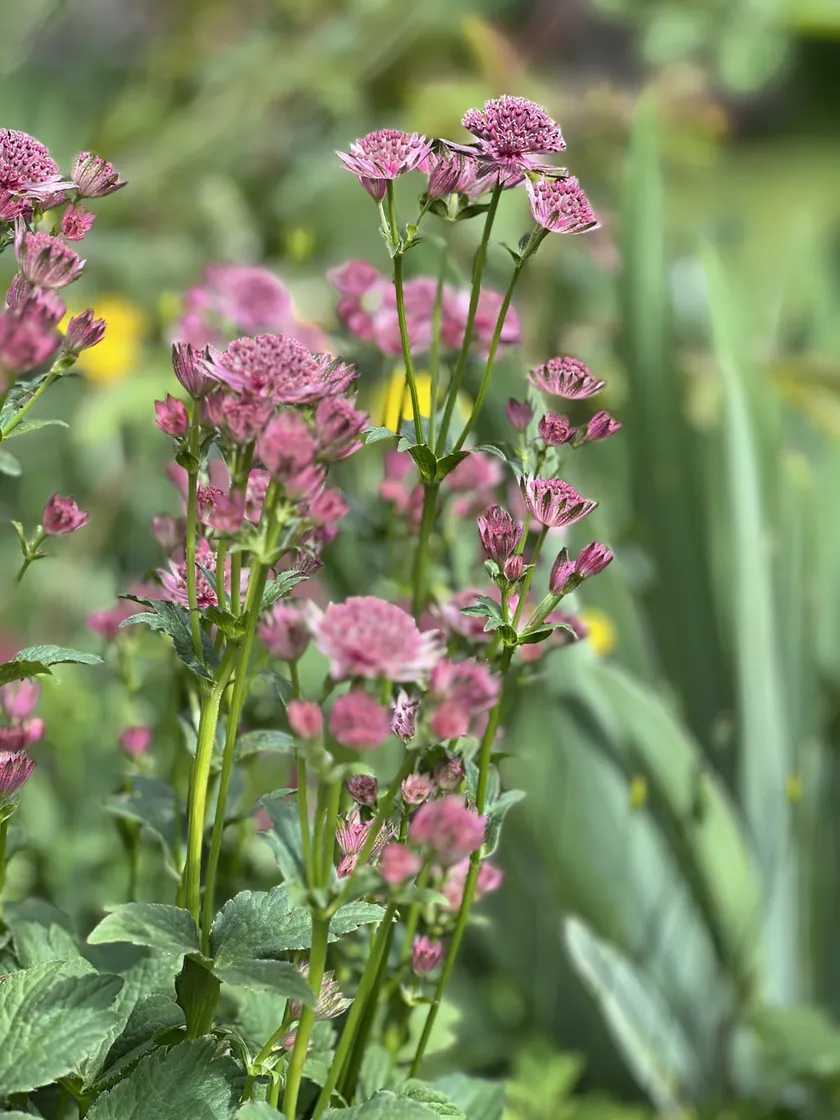
Astrantia ‘Roma’
Those small, intricate pink flowers reward a closer look. I like them beside bigger, simpler shapes, where they stop the planting looking too predictable.
 Border plantsFull sun · Part shade · Moist soil
Campanula lactiflora ‘Loddon Anna’
Tall, airy stems with soft flowers make a good bridge between the sturdier plants. A border feels more natural when everything is not the same height.
 Border plantsFull sun · Part shade · Moist soil
Campanula ‘Sarastro’
The large hanging bells add a completely different shape among all the upright stems. I think borders need a few plants like this to keep your eye moving.
 Border plantsFull sun · Part shade · Moist soil
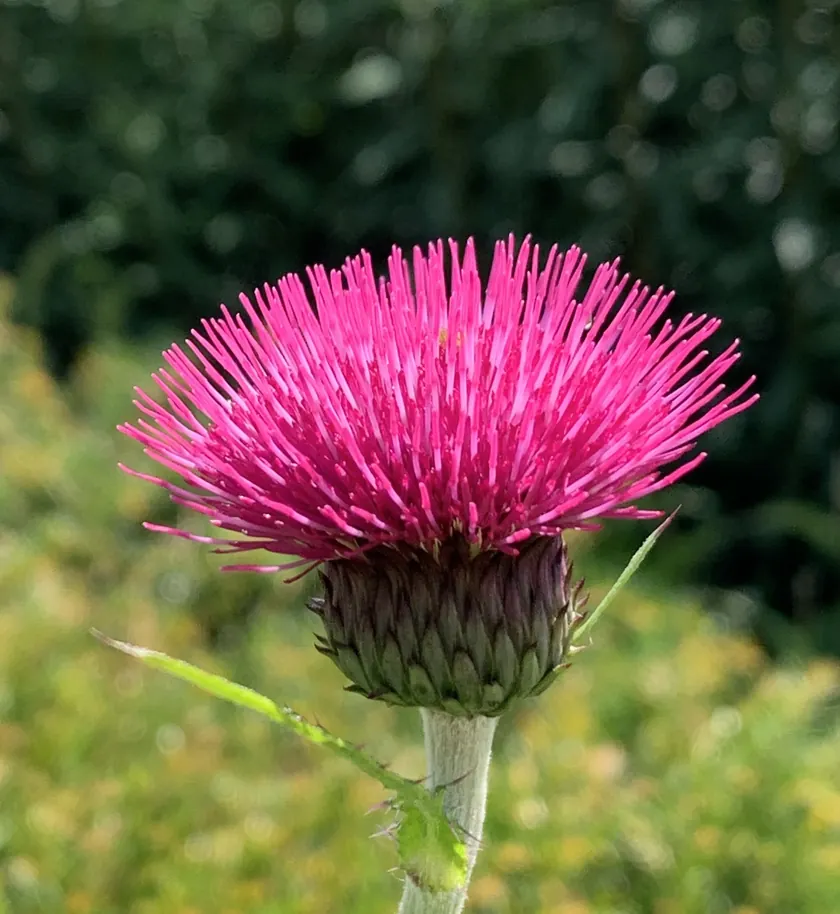
Cirsium rivulare
Tall stems and thistle-like flowers bring a little looseness to a carefully planned border. That is often exactly what a plan needs.
 Shady borderPart shade · Full shade · Moist soil
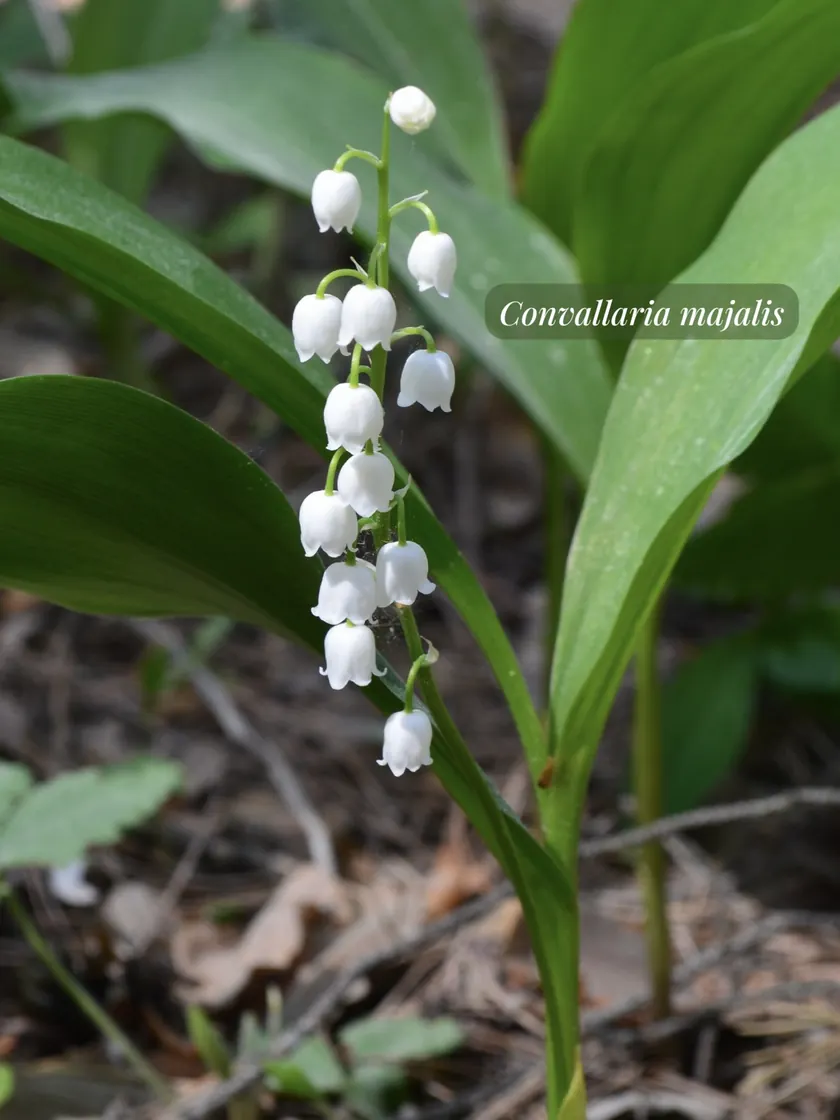
Convallaria majalis
Tiny white bells and a scent that travels further than the flowers suggest.
 Unusual favouritesFull sun · Well-drained
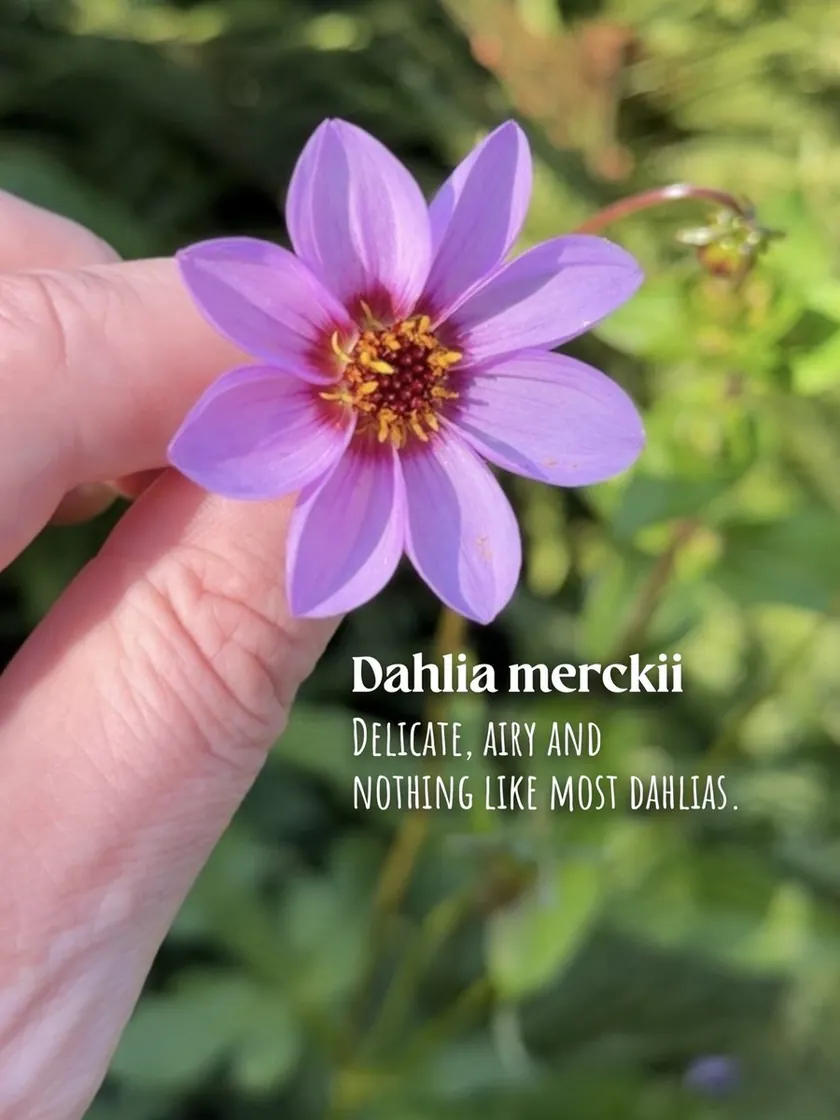
Dahlia merckii
Delicate, airy and nothing like most dahlias.
 Plants worth waiting forPart shade · Full shade · Dry shade
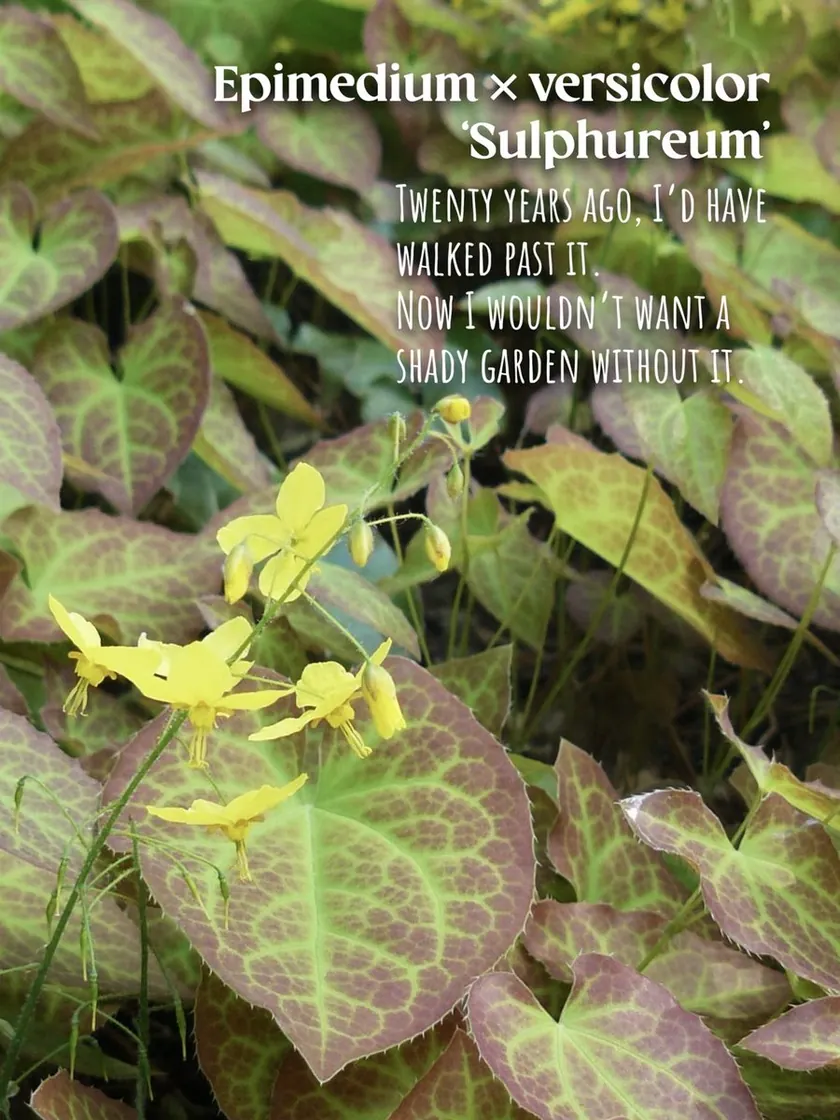
Epimedium × versicolor ‘Sulphureum’
Twenty years ago, I’d have walked past it. Now I wouldn’t want a shady garden without it.
 Unusual favouritesPart shade · Full shade · Moist soil
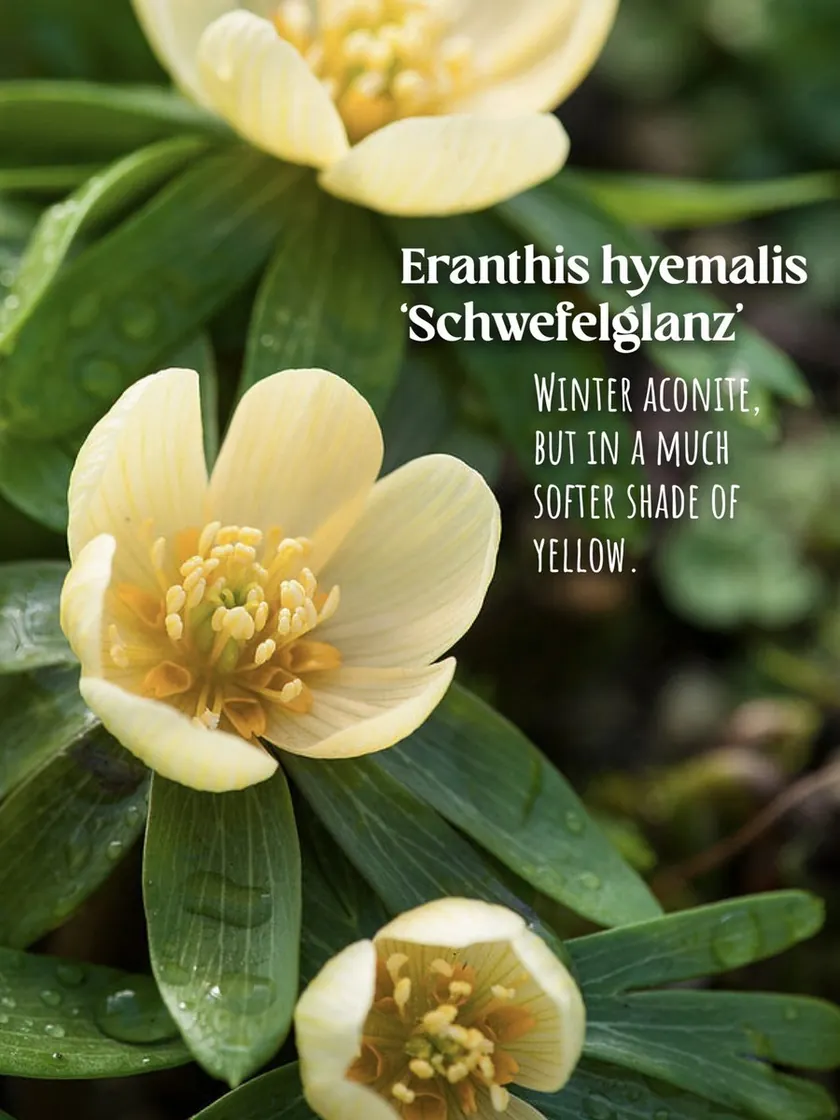
Eranthis hyemalis ‘Schwefelglanz’
Winter aconite, but in a much softer shade of yellow.
 Border plantsFull sun · Part shade · Well-drained
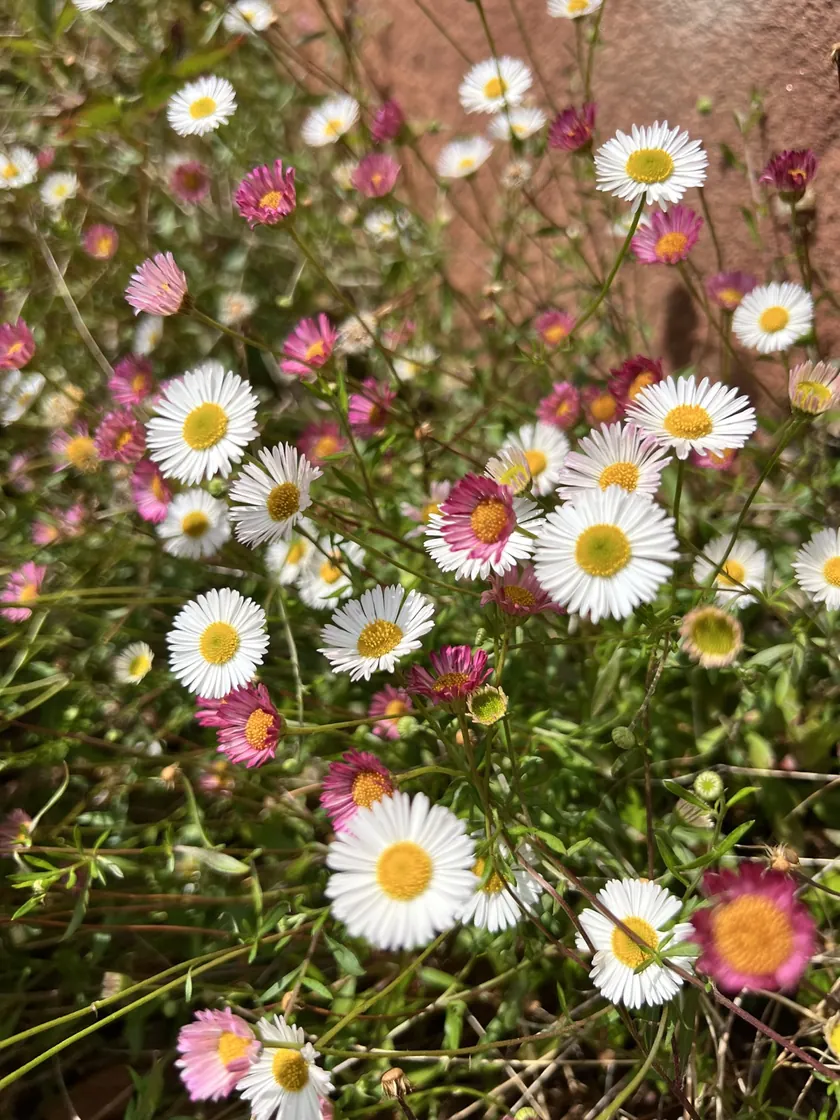
Erigeron karvinskianus
Tiny daisies tumble into the gaps and soften the edges. A useful reminder that the best bits of a border do not always stay where you put them.
 Shady gardensPart shade · Full shade · Dry shade
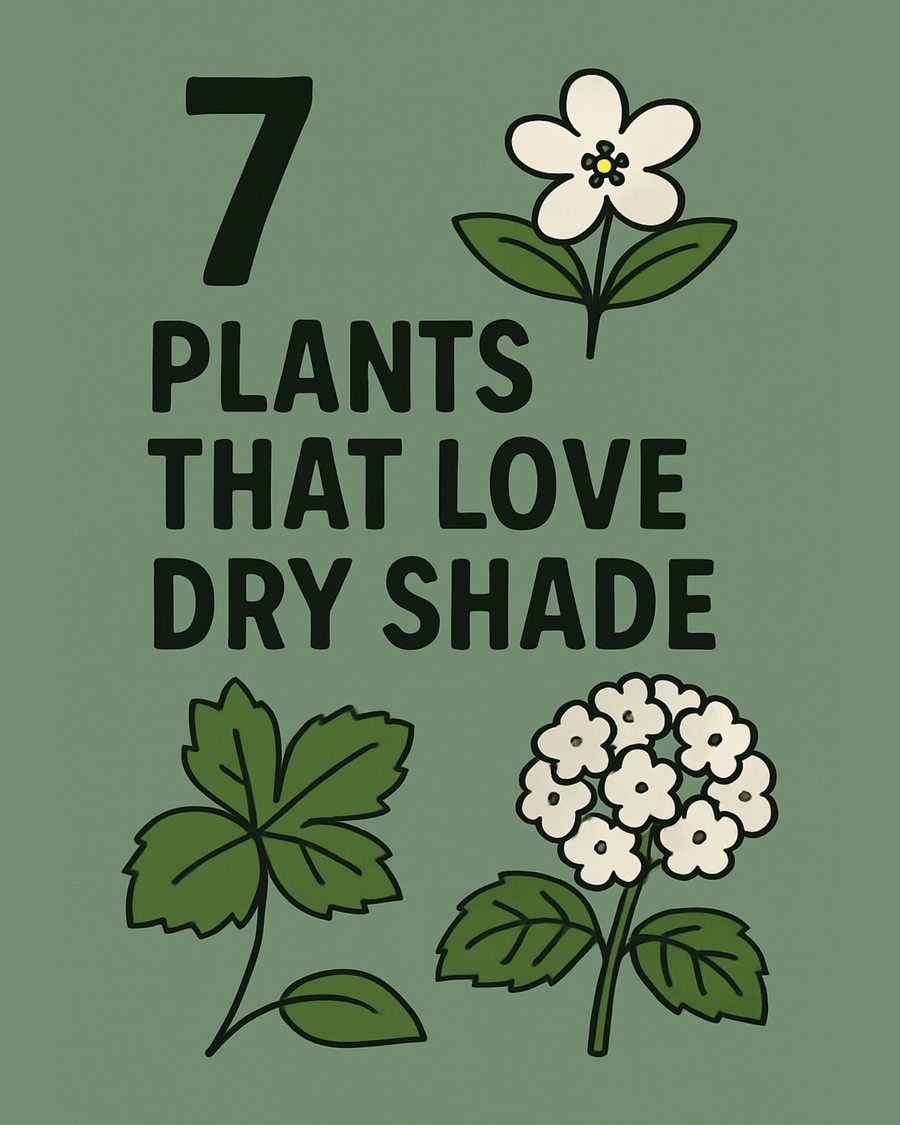
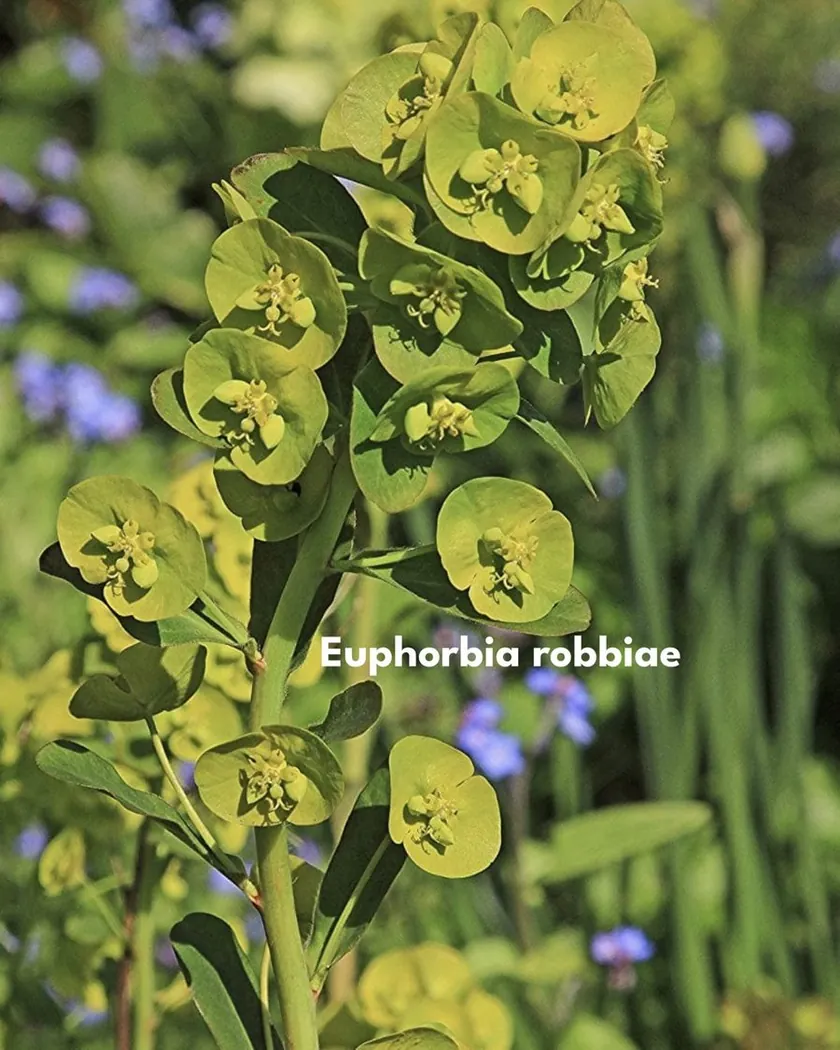
Euphorbia robbiae
Evergreen leaves and bright green spring bracts give a shaded patch some structure. It handles dry shade and spreads, so give it a place where it has room. Wear gloves when cutting it; euphorbia sap can irritate skin.
 Tough plantsPart shade · Full shade · Moist soil
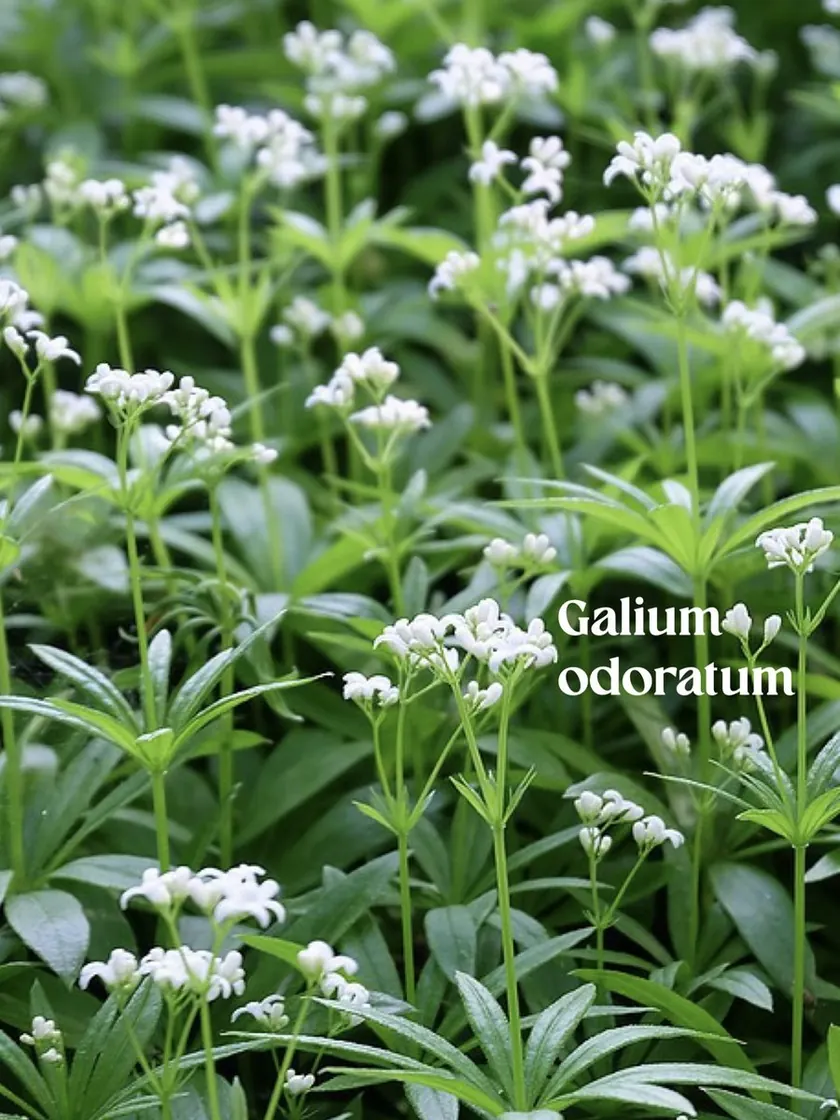
Galium odoratum
Sweet woodruff makes a low green carpet in dappled shade, with small white flowers in late spring. It spreads enthusiastically. Give it a space where a bit of wandering is welcome.
 Tough plantsFull sun · Part shade · Full shade · Dry shade
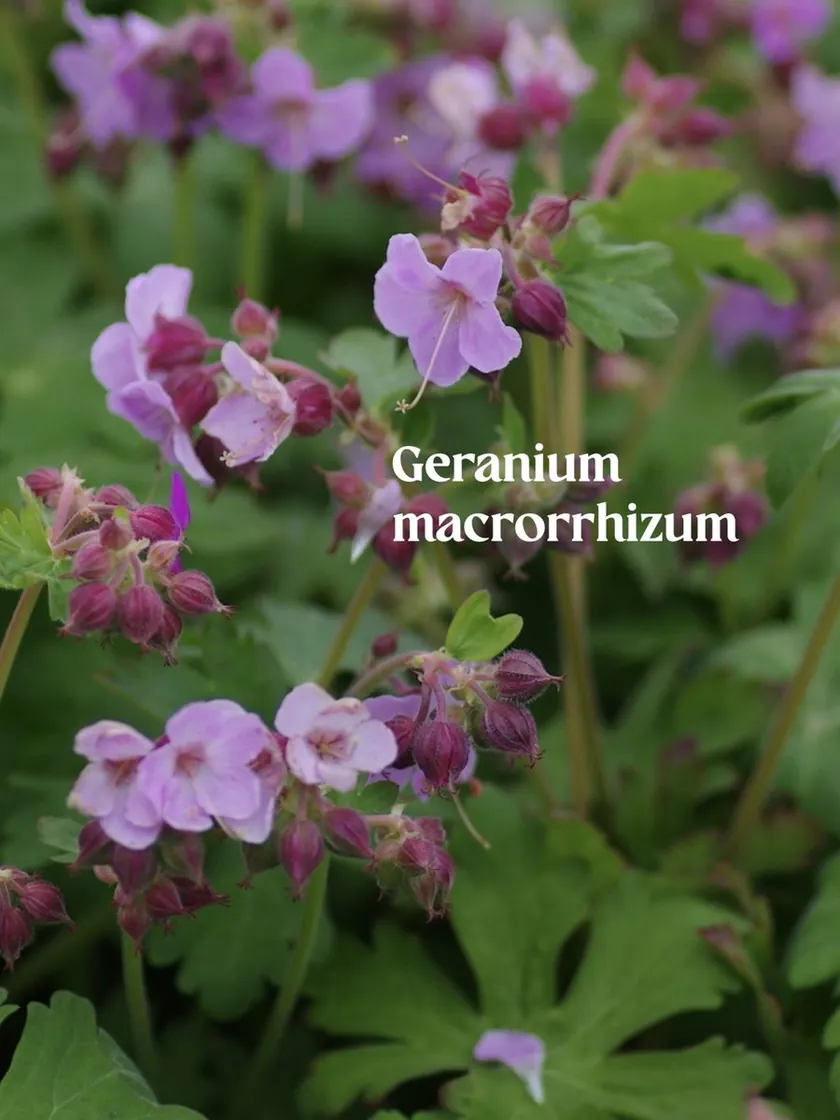
Geranium macrorrhizum
A useful answer to bare ground under shrubs. It spreads into a low cover and copes with dry shade once established. Give it room to do the job.
 Shady gardensPart shade · Full shade · Dry shade
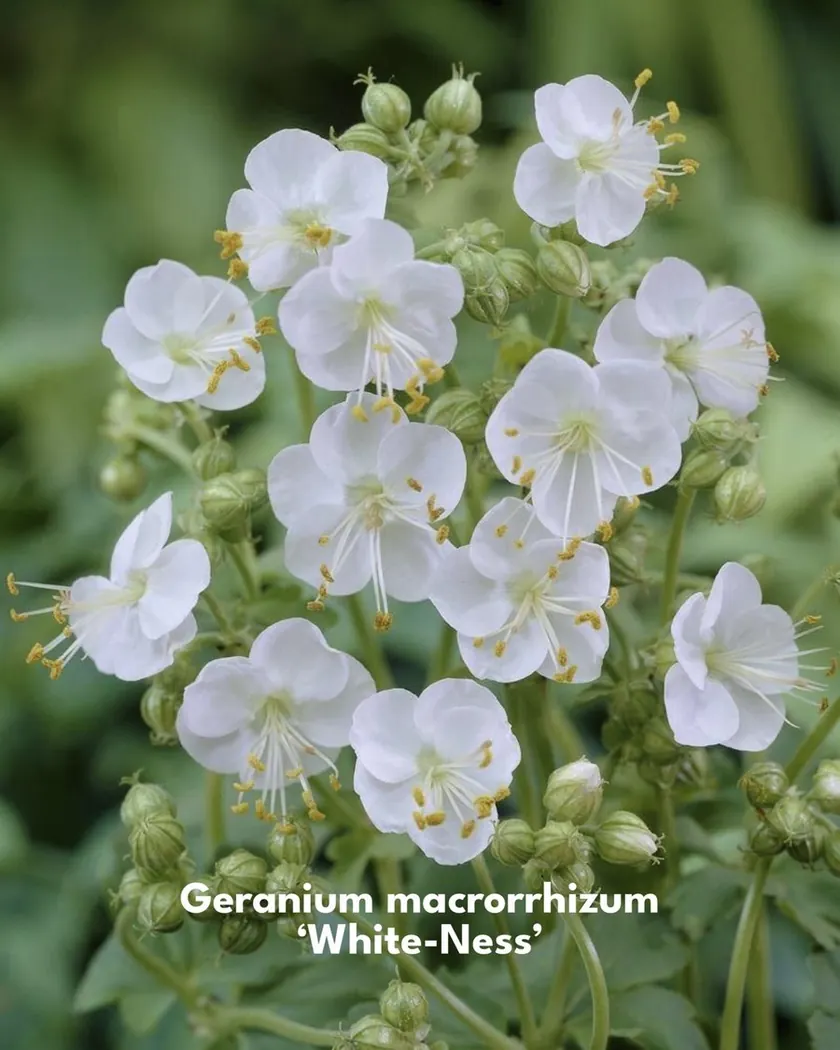
Geranium macrorrhizum ‘White-Ness’
The same useful ground cover as the species, with white flowers that show up beautifully in shade. It tolerates dry shade. Leave space for it to spread.
 Shady borderPart shade · Full shade · Moist soil
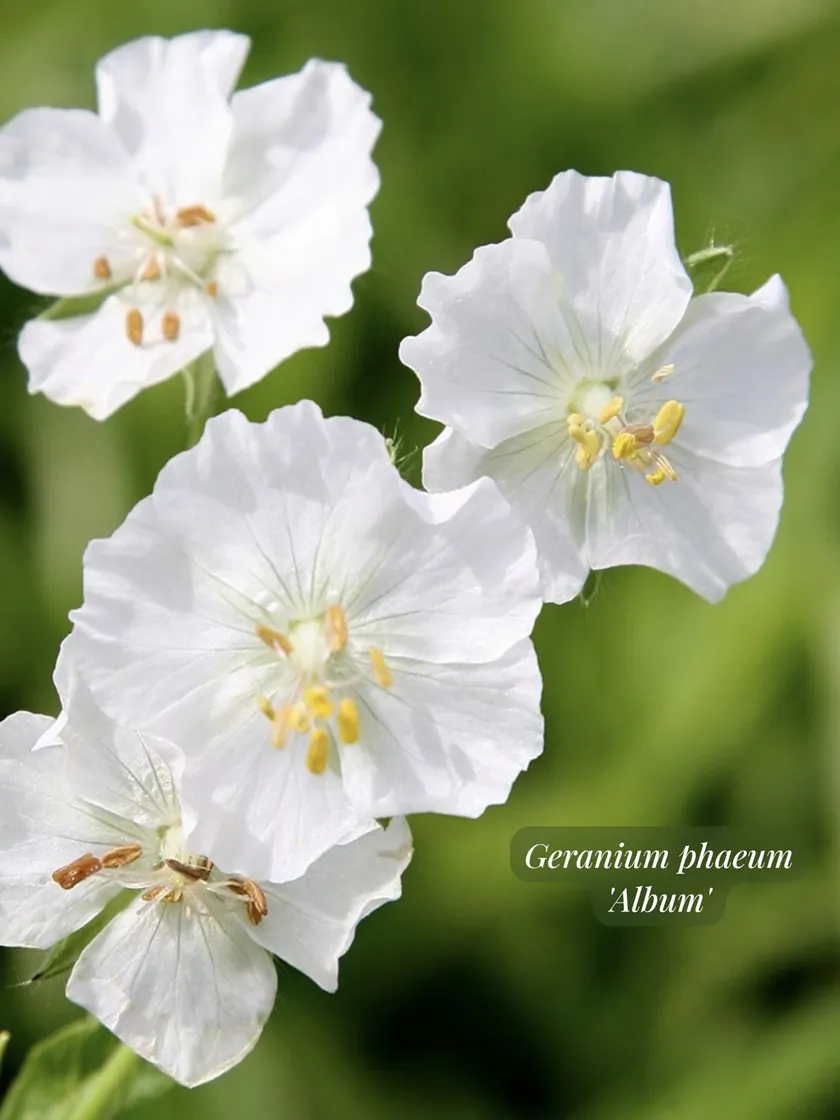
Geranium phaeum ‘Album’
The white flowers make themselves useful in this darker part of the garden.
 Plants worth waiting forFull sun · Part shade · Moist soil
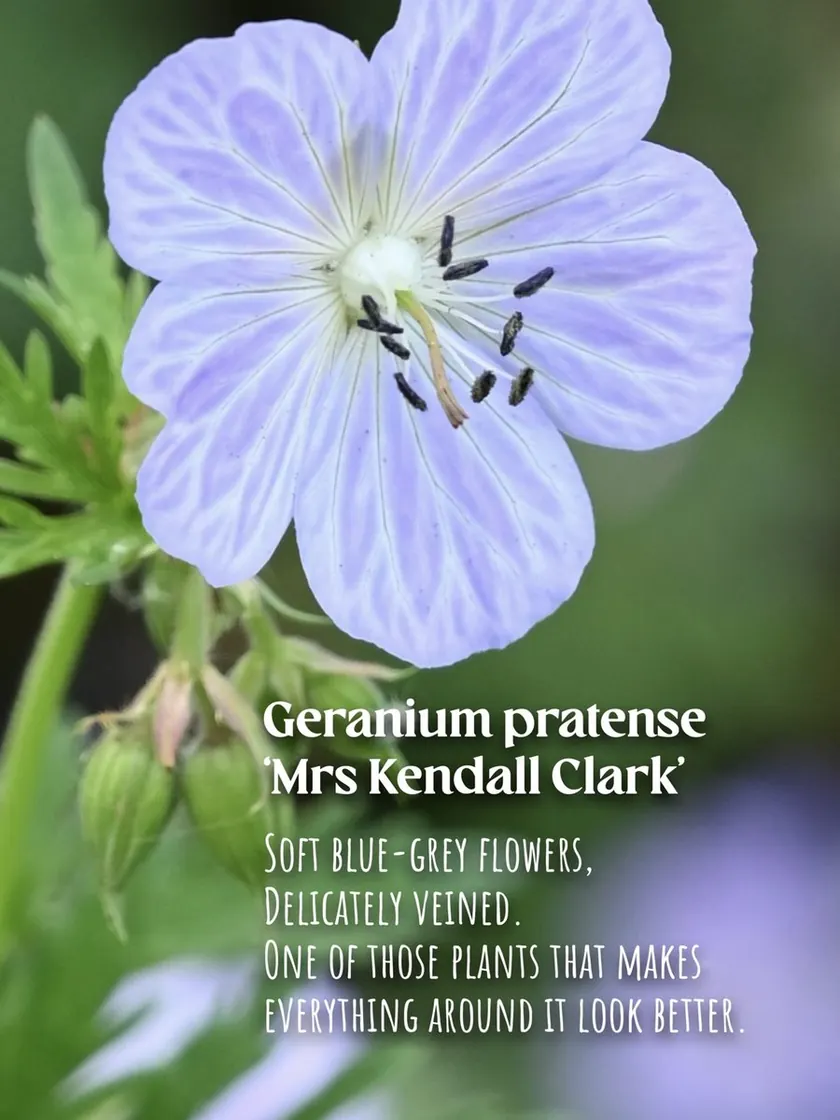
Geranium pratense ‘Mrs Kendall Clark’
Soft blue-grey flowers, delicately veined. One of those plants that makes everything around it look better.
 Border plantsFull sun · Part shade · Well-drained
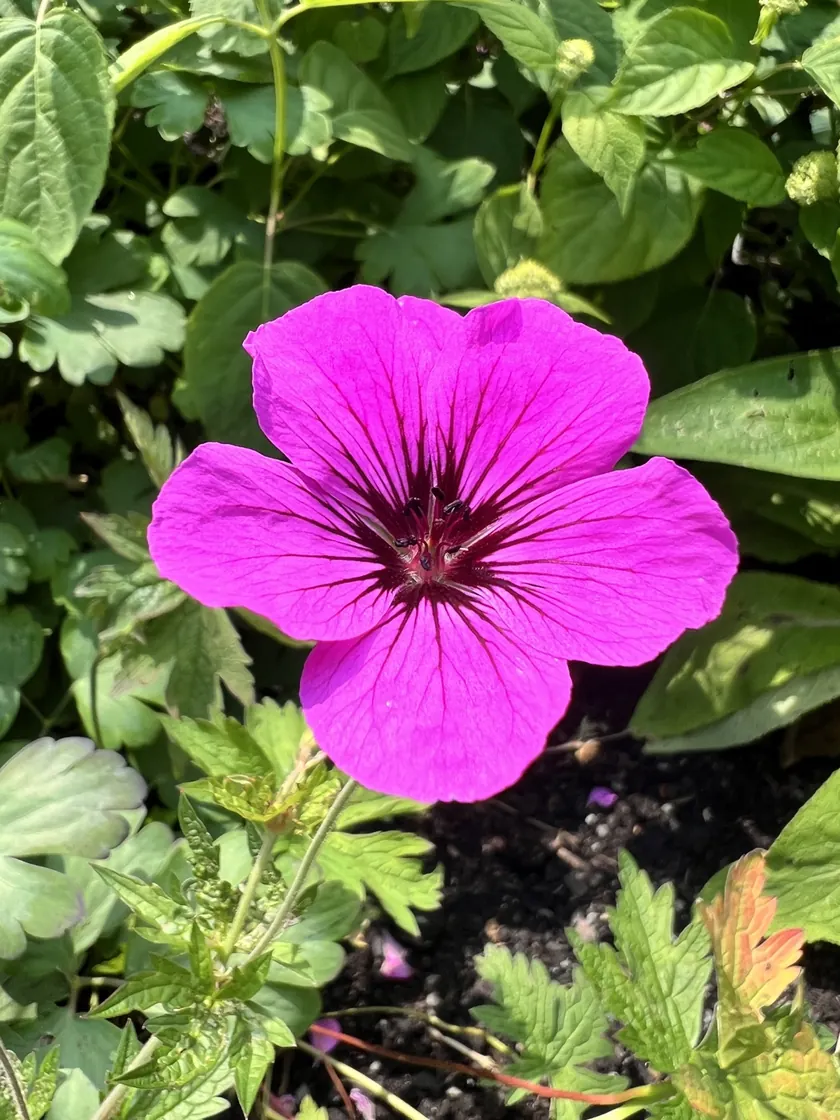
Geranium ‘Patricia’
A bright, spreading cranesbill that helps knit the planting together. It does not leave much bare ground for anyone to worry about.
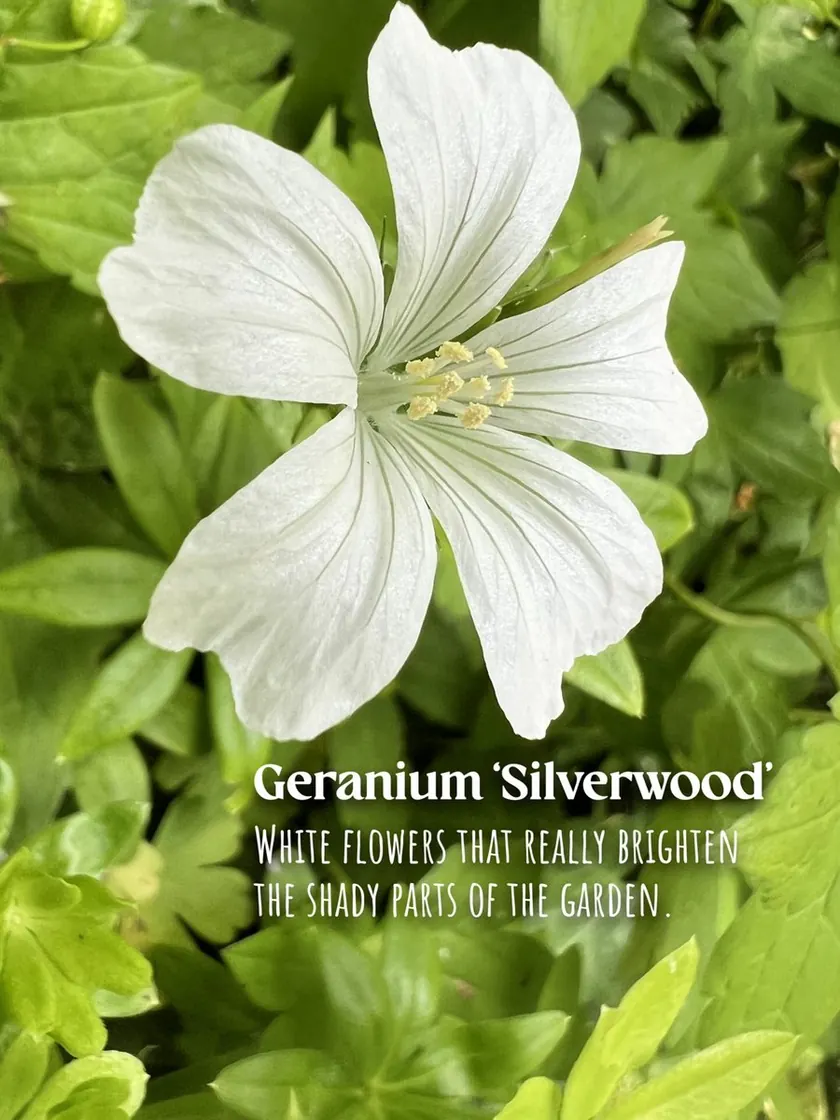 Unusual favouritesPart shade · Moist soil
Geranium ‘Silverwood’
White flowers that really brighten the shady parts of the garden.
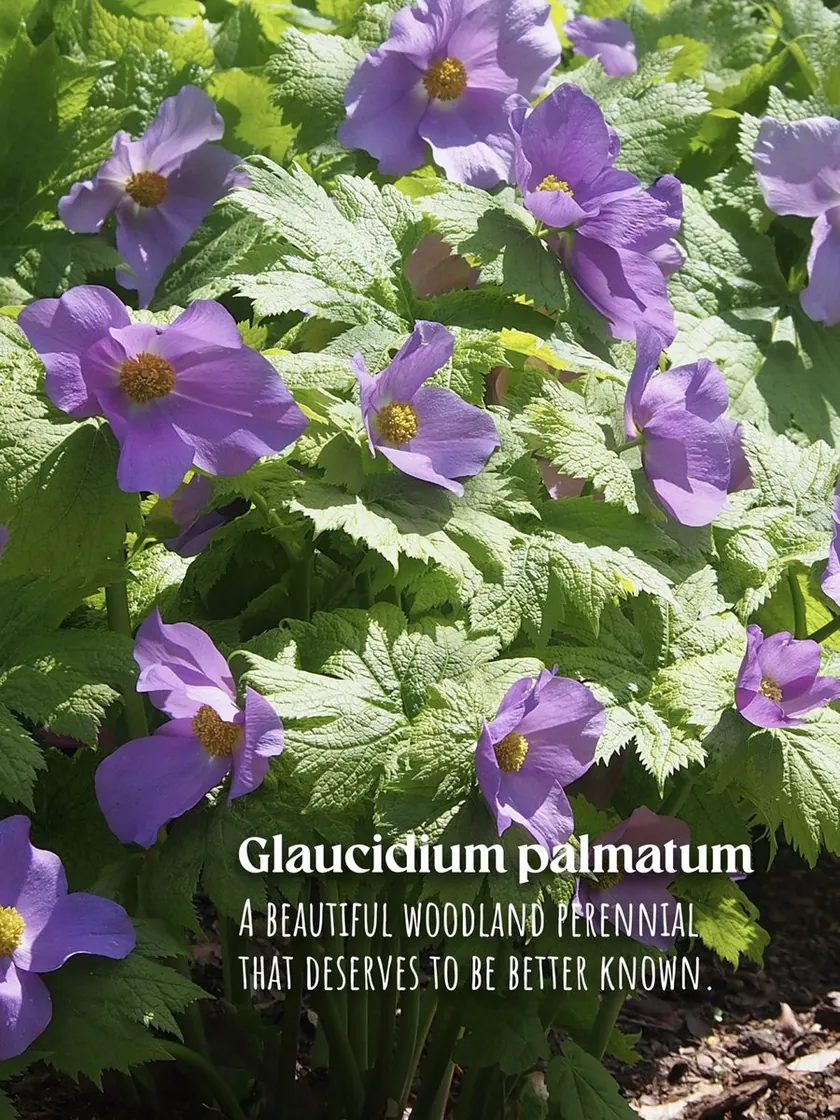 Unusual favouritesPart shade · Full shade · Moist soil
Glaucidium palmatum
A beautiful woodland perennial that deserves to be better known.
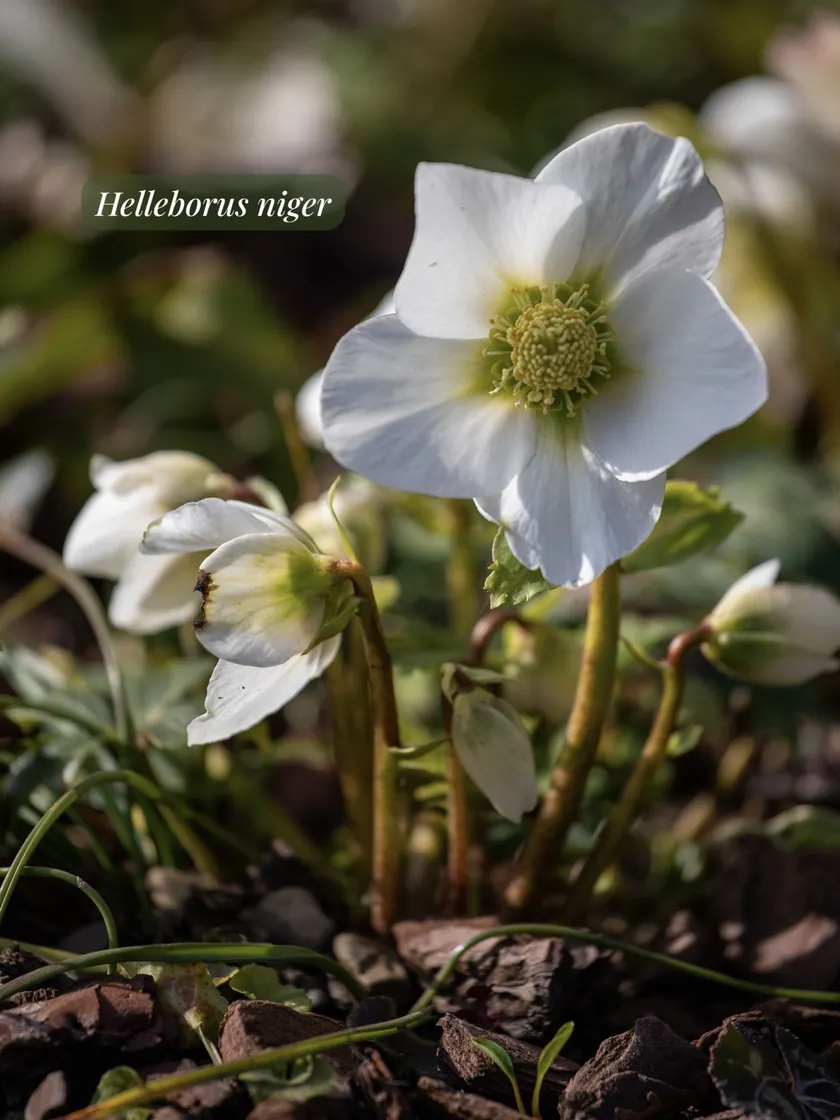 Shady borderPart shade · Well-drained
Helleborus niger
A white flower when the garden is short of them.
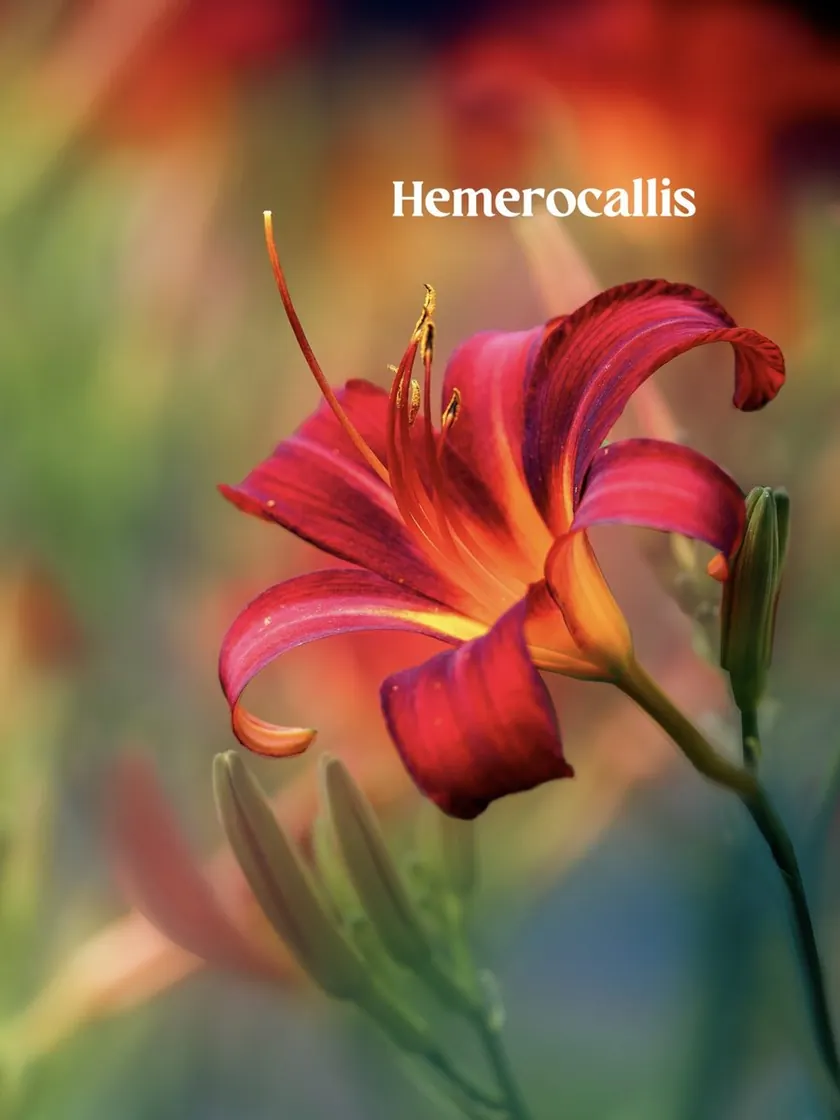 Tough plantsFull sun · Part shade · Moist soil
Hemerocallis
A substantial clump of leaves and a good run of summer flowers. It will grow in partial shade, but give it sun for more flowers. One serious point if you have cats: daylilies are toxic to them if eaten.
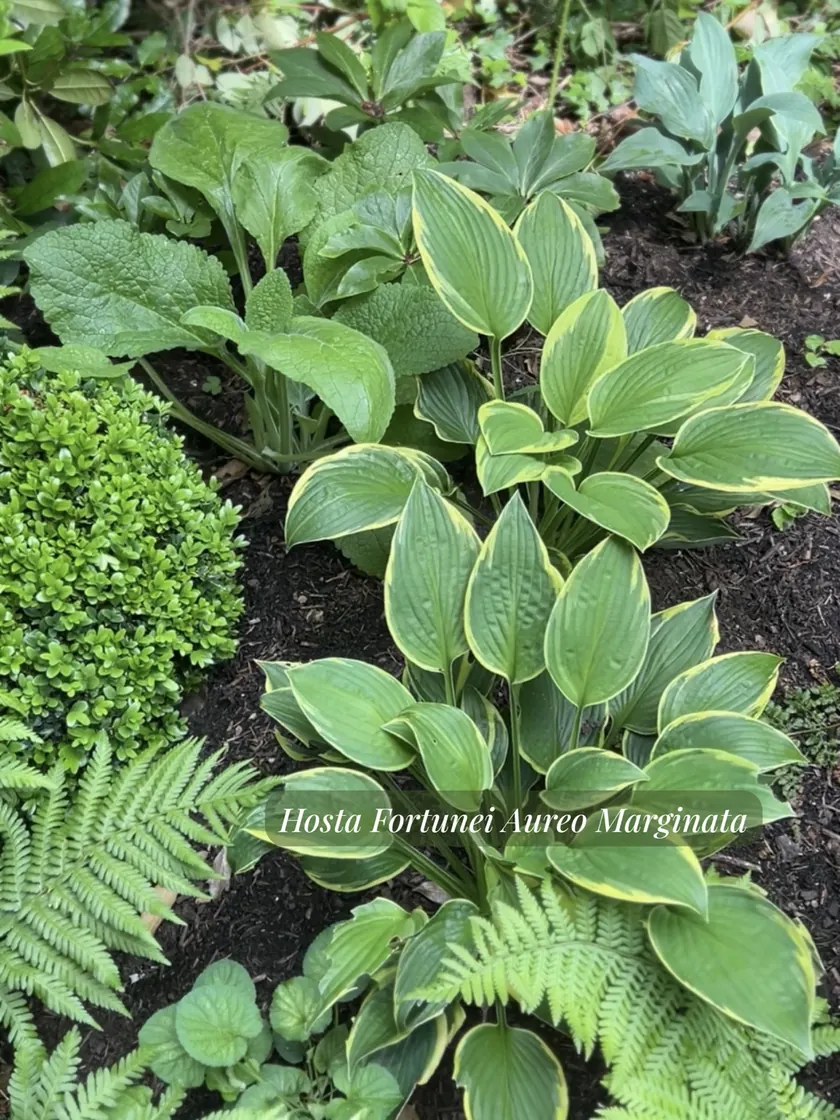 Shady borderPart shade · Full shade · Moist soil
Hosta fortunei ‘Aureo Marginata’
The pale edge of each leaf catches the light in this border.
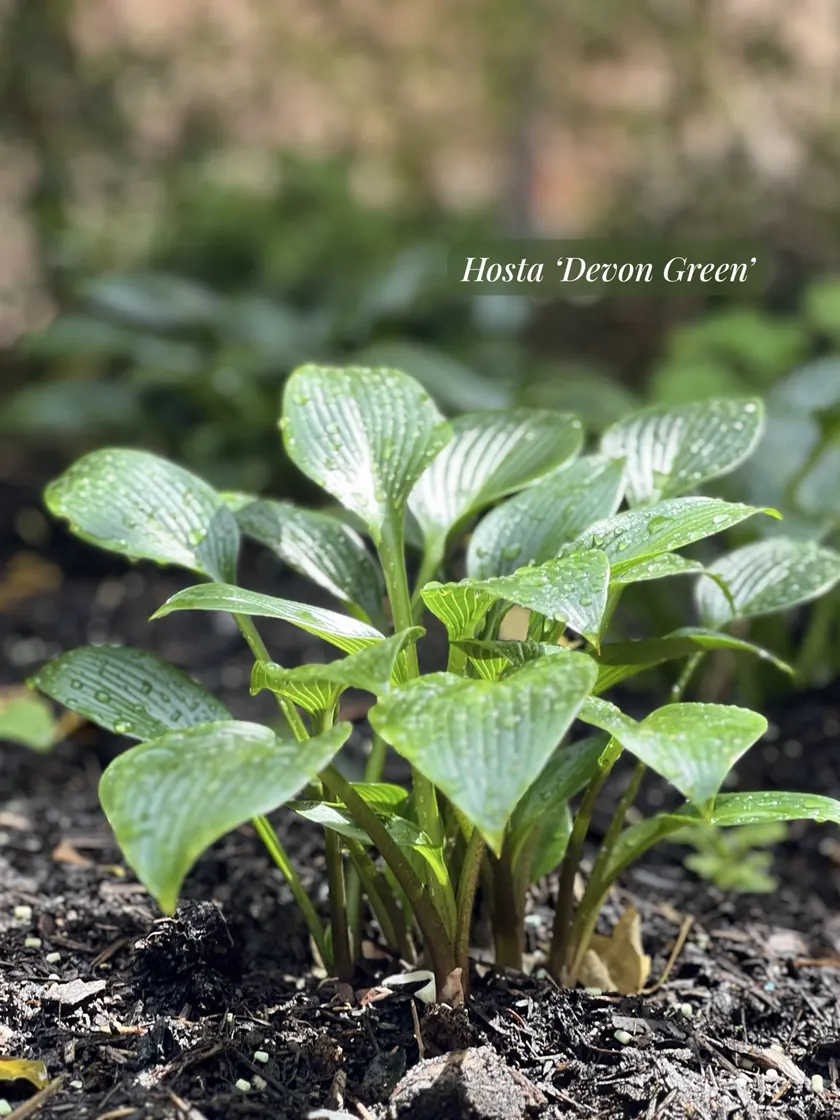 Shady borderPart shade · Full shade · Moist soil
Hosta ‘Devon Green’
Deep green leaves make a good foil for the paler plants around them.
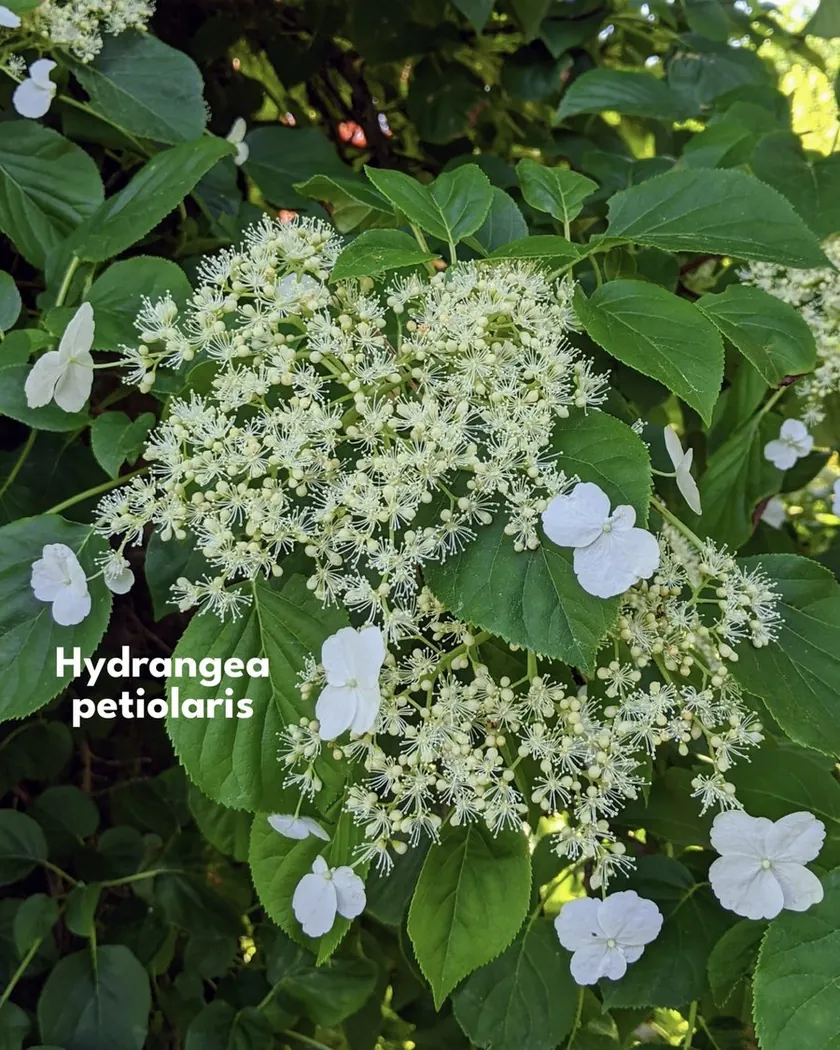 Shady gardensPart shade · Full shade · Moist soil
Hydrangea petiolaris
It gives a shaded wall leaves and white flowers in early summer. It takes time to settle, then climbs on its own. It needs moisture-retentive soil, especially while it establishes beside a wall. I would not choose it for a parched patch under trees.
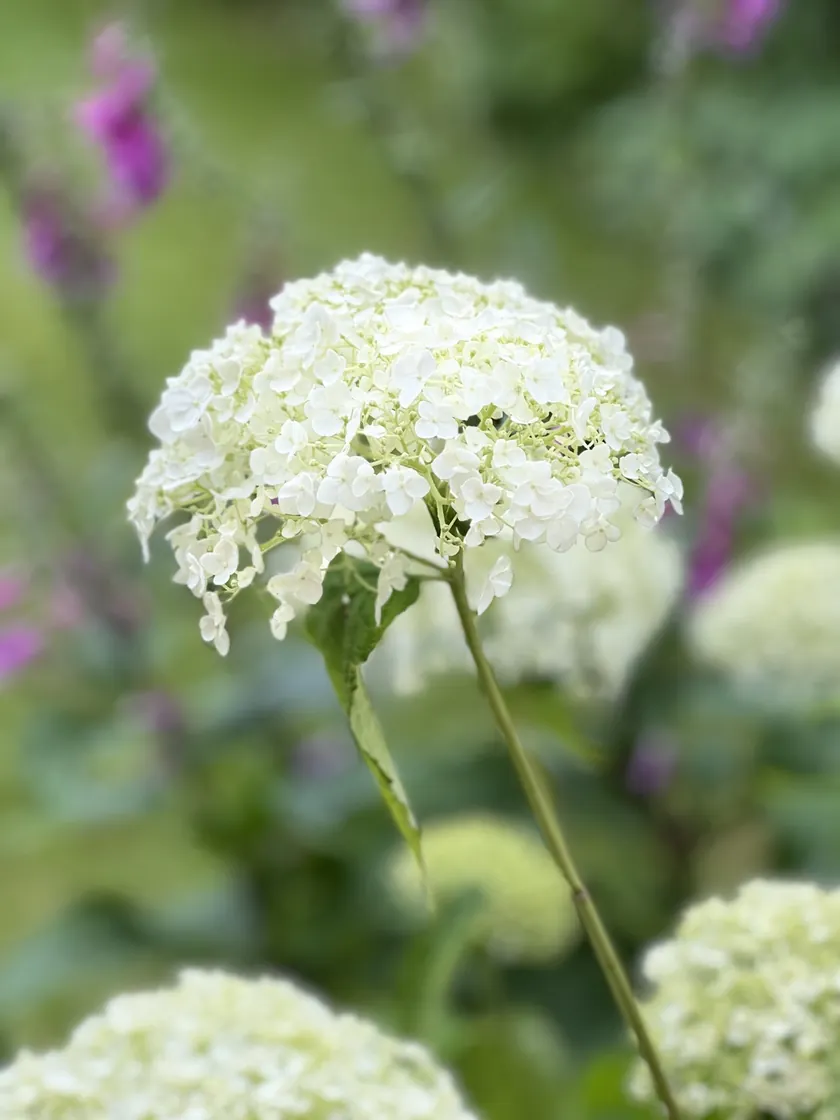 Border plantsFull sun · Part shade · Moist soil
Hydrangea ‘Strong Annabelle’
Large pale flowerheads give this border a welcome bit of calm when everything around them is busy. I like how much space one plant can fill without needing to shout.
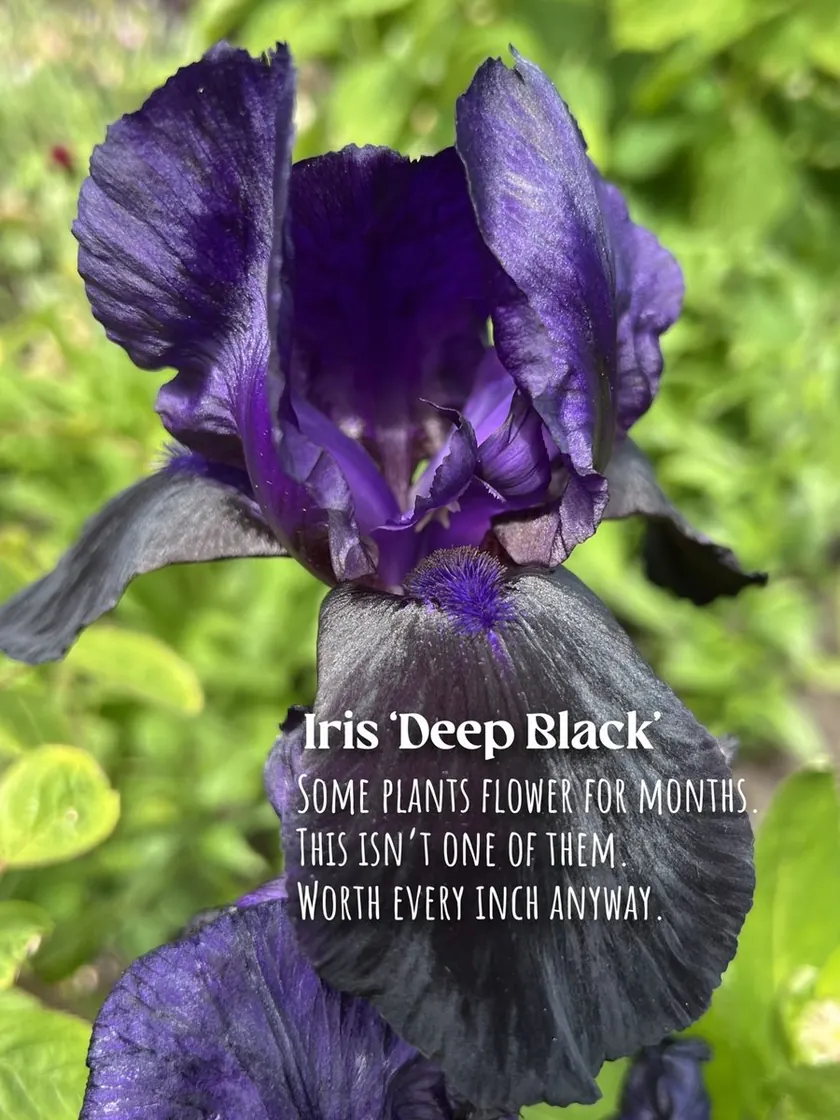 Plants worth waiting forFull sun · Well-drained
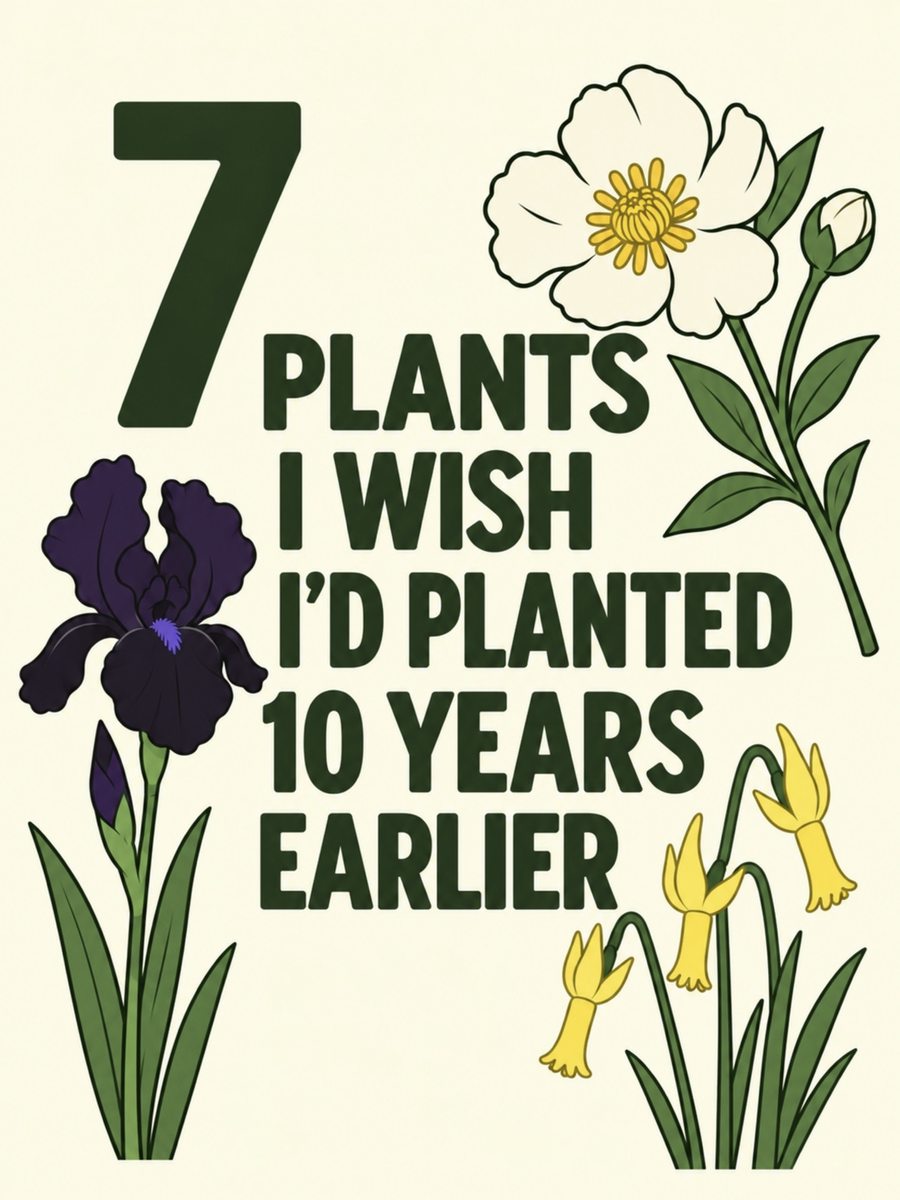
Iris ‘Deep Black’
Some plants flower for months. This isn’t one of them. Worth every inch anyway.
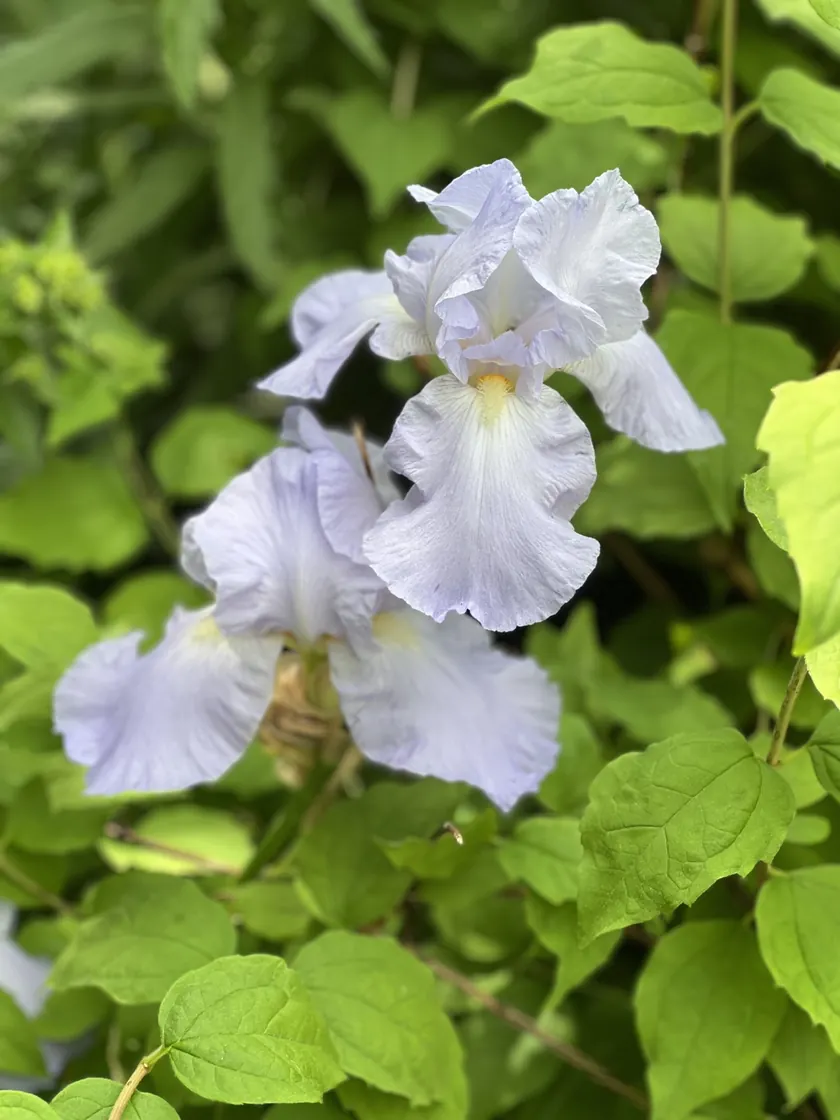 Border plantsFull sun · Well-drained
Iris ‘Jane Phillips’
Pale blue, with the sort of colour that is difficult to describe properly. Its time in flower is brief, but that is hardly a reason to leave it out.
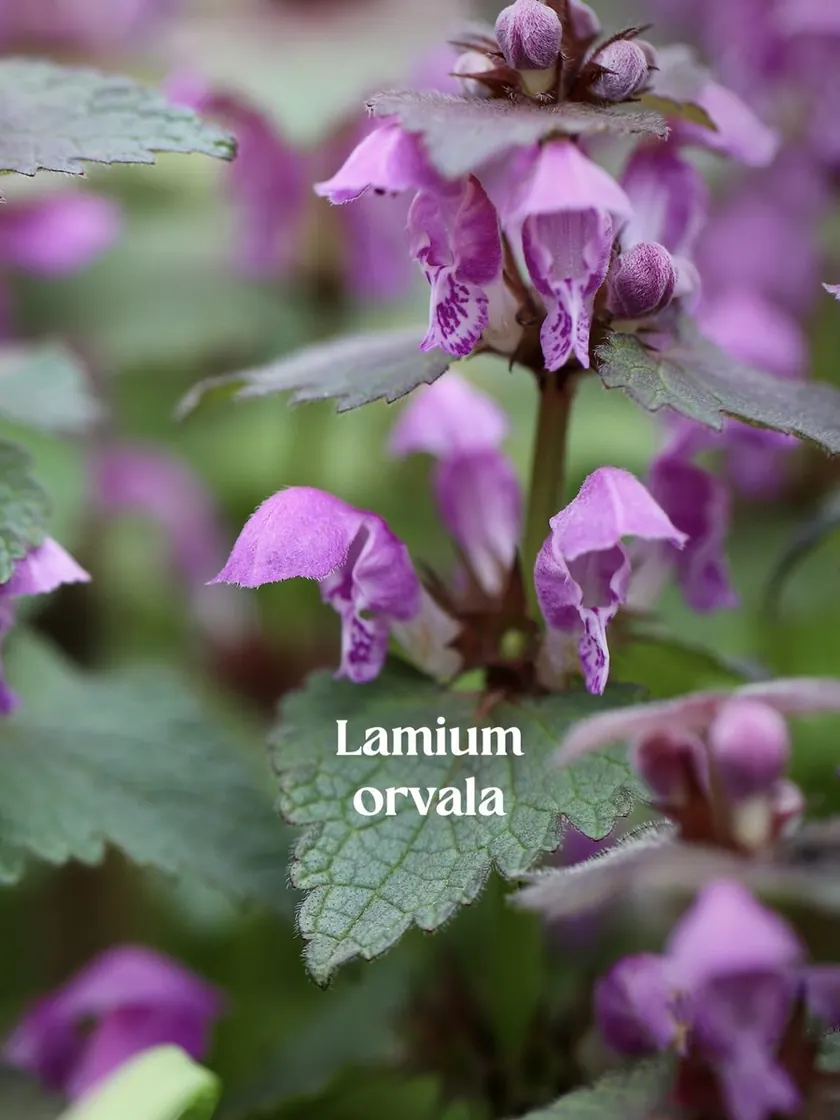 Tough plantsPart shade · Full shade · Moist soil
Lamium orvala
A deadnettle with rather more presence than the name suggests. The pink-purple flowers brighten a shady corner in late spring. Give it moist, free-draining soil.
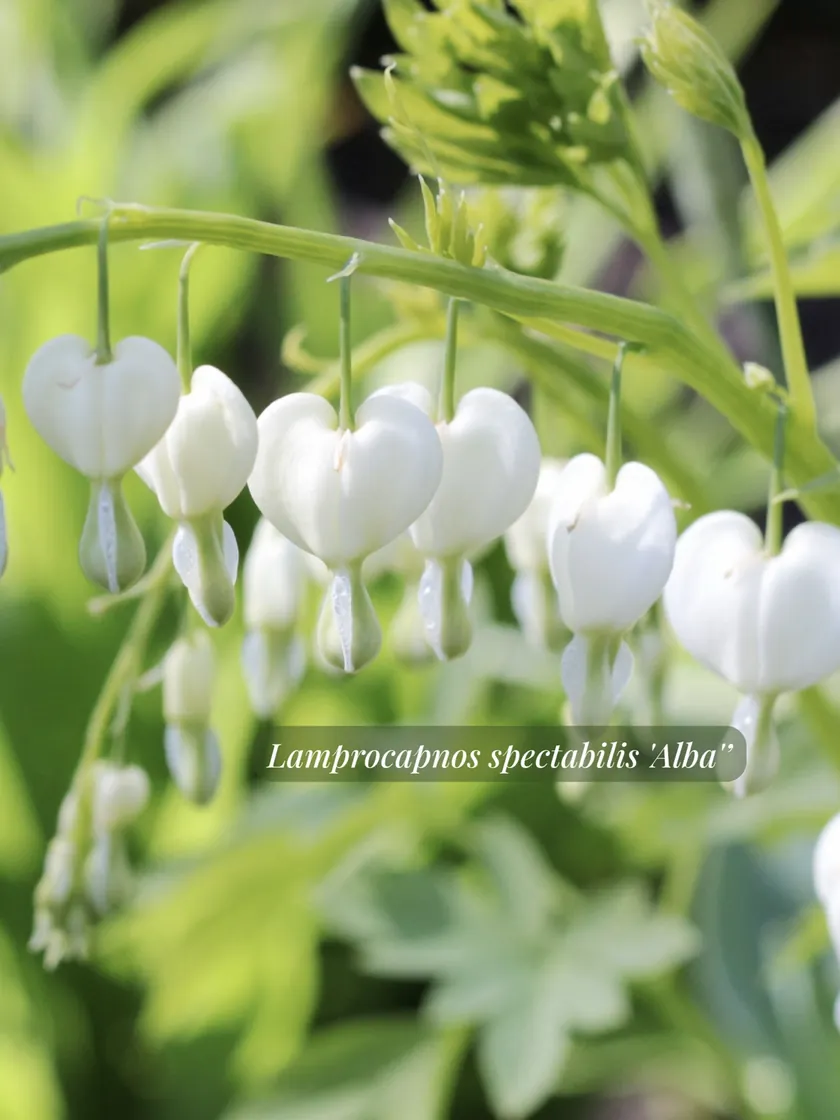 Shady borderPart shade · Moist soil
Lamprocapnos spectabilis ‘Alba’
Those small white hearts hang along the stems in spring.
 Border plantsFull sun · Well-drained
Lavender ‘Grosso’
Long flower stems and plenty of scent. Give it a sunny, free-draining spot and it brings a useful change of texture to the border.
 Border plantsFull sun · Part shade · Moist soil
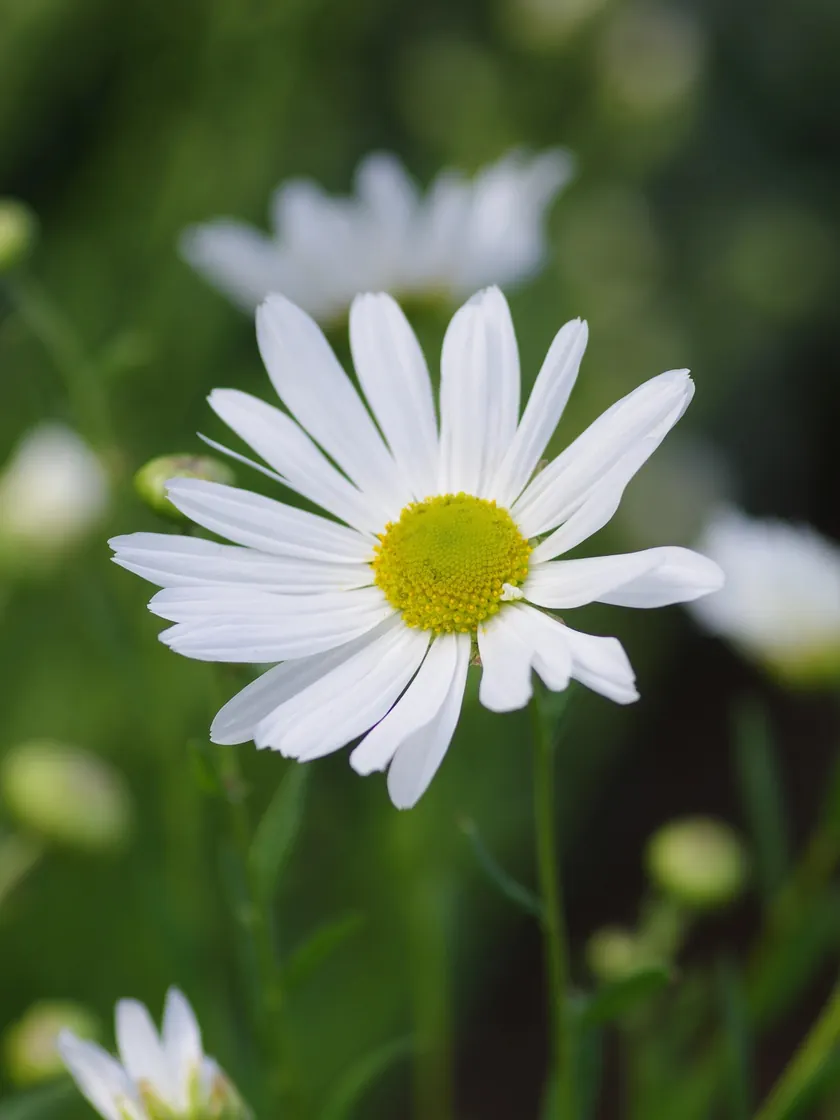
Leucanthemella serotina
A late daisy earns its space by turning up when much of the border is beginning to slow down. I like having something fresh to look at near the end of the season.
 Border plantsFull sun · Part shade · Well-drained
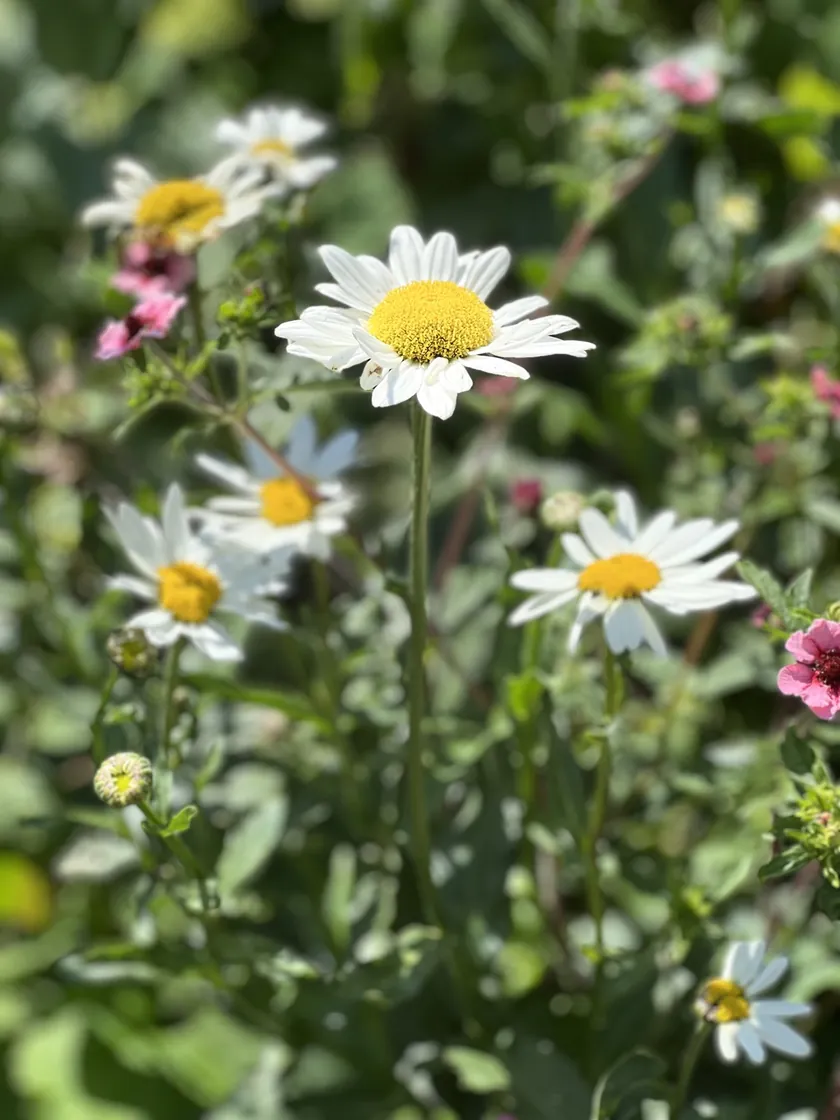
Leucanthemum ‘Becky’
Big white daisies are hard to argue with. They cut through a crowded border and make the darker flowers look better too.
 Border plantsFull sun · Part shade · Well-drained
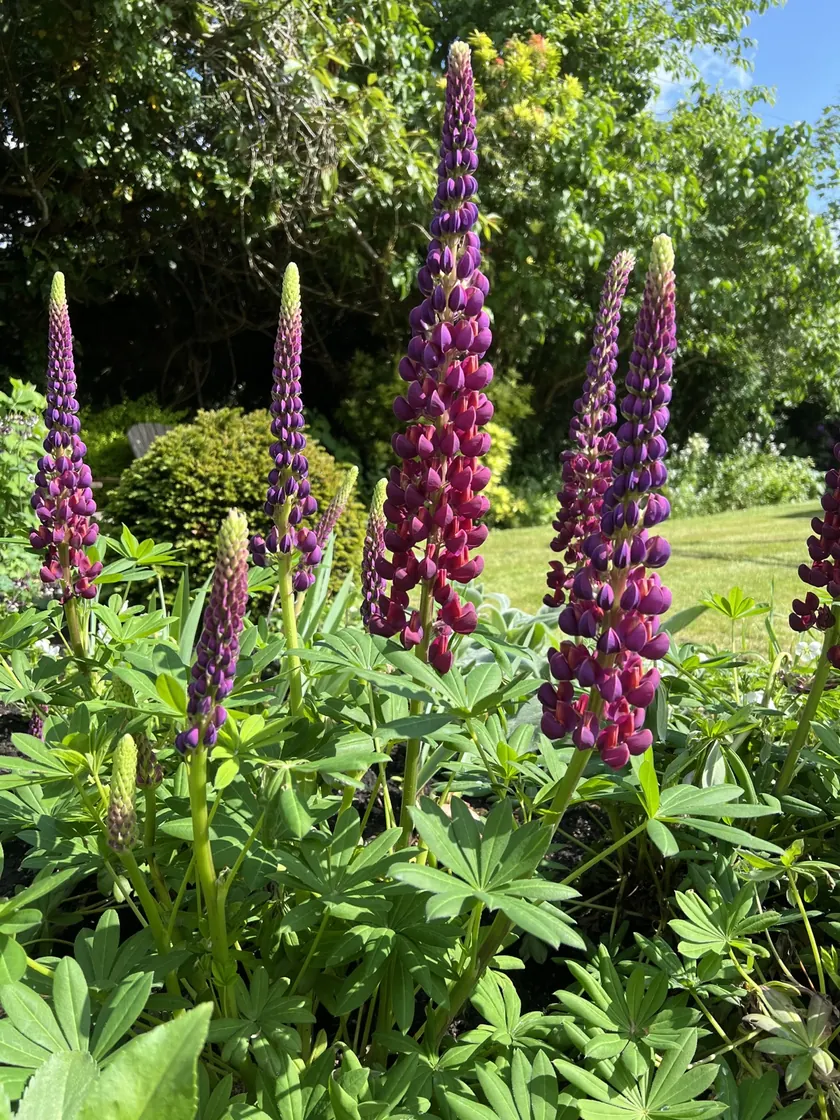
Lupin ‘Masterpiece’
A proper vertical accent, in a deep, rather serious colour. It has its moment and then lets the rest of the border get on with things.
 Border plantsFull sun · Well-drained
Lychnis coronaria
Silver foliage and vivid flowers are quite a combination. It has the good manners to look interesting before it even starts flowering.
 Plants worth waiting forFull sun · Part shade · Moist soil
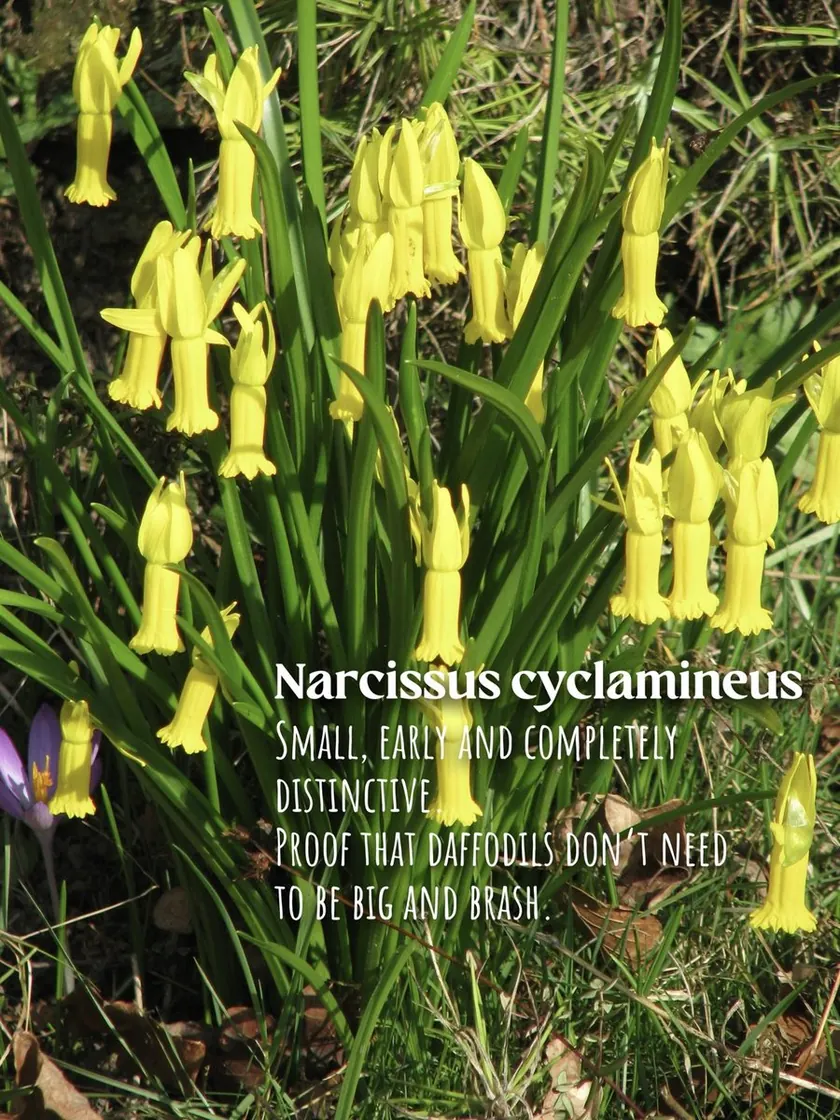
Narcissus cyclamineus
Small, early and completely distinctive. Proof that daffodils don’t need to be big and brash.
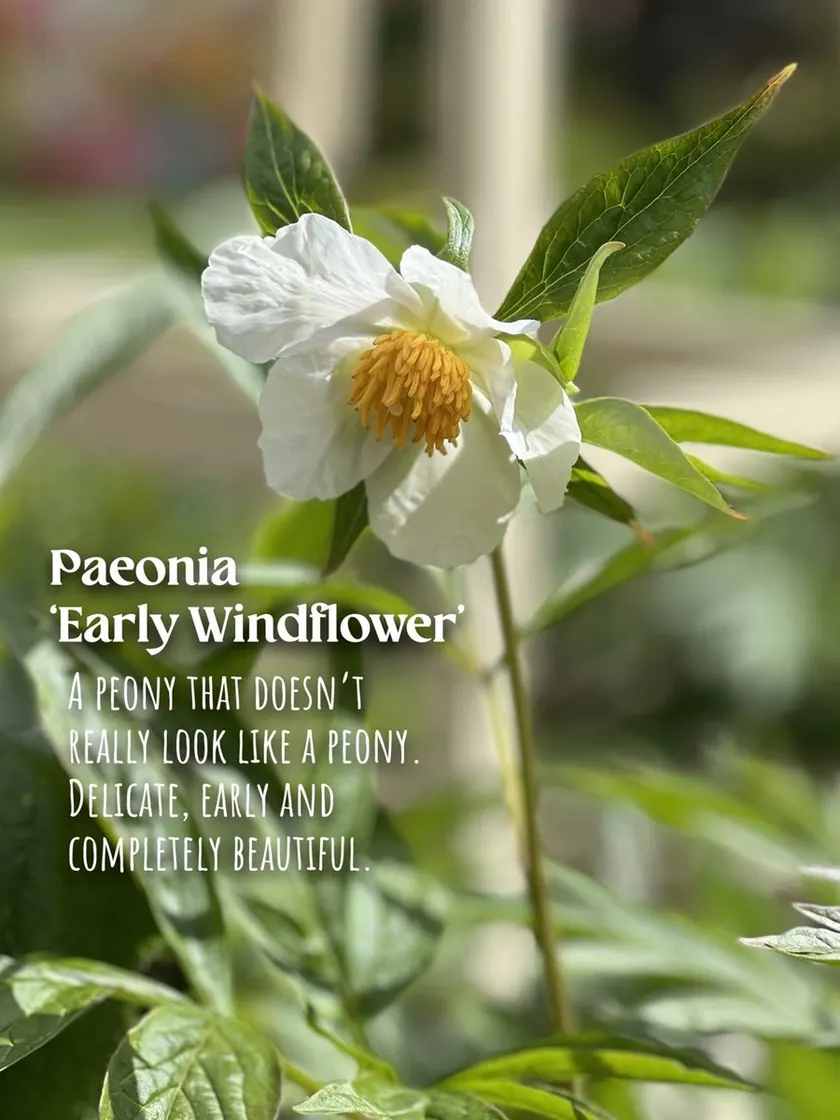 Plants worth waiting forFull sun · Part shade · Well-drained
Paeonia ‘Early Windflower’
A peony that doesn’t really look like a peony. Delicate, early and completely beautiful.
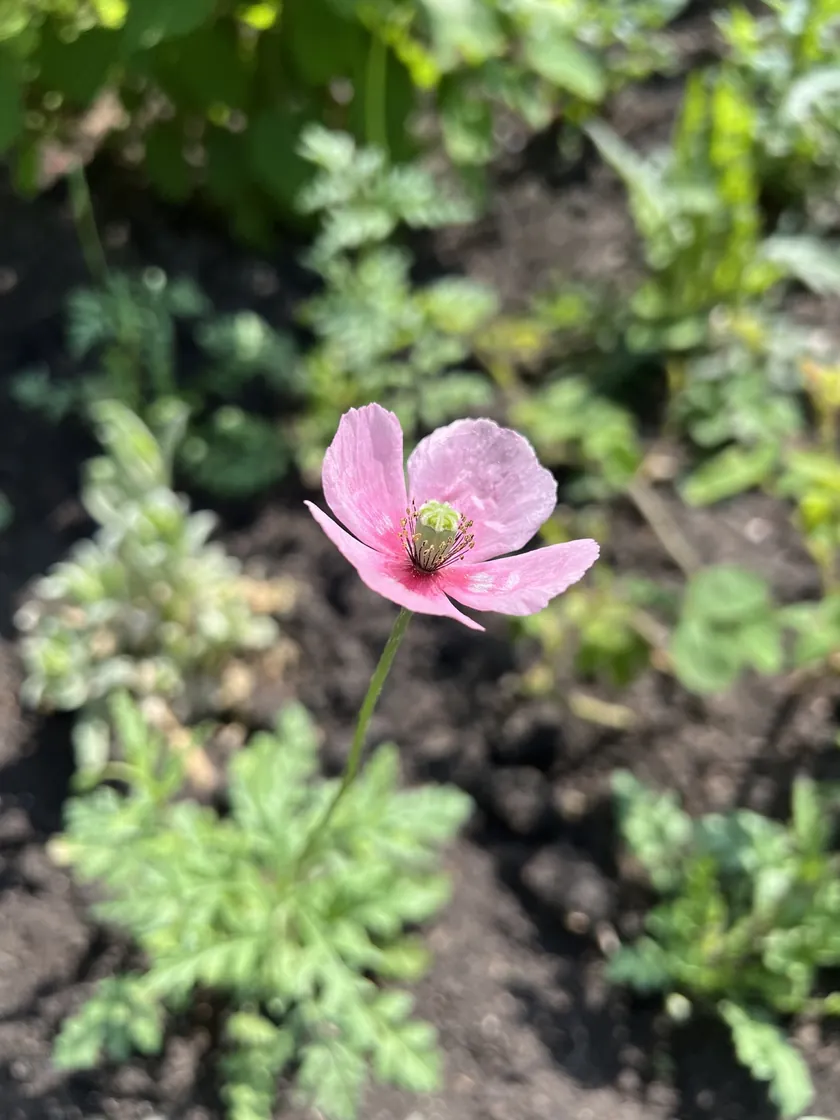 Border plantsFull sun · Well-drained
Papaver dubium subsp. lecoqii ‘Albiflorum’ (‘Beth’s Poppy’)
A poppy with a name that means rather more to me than most plant labels. Delicate flowers, and a welcome bit of surprise when they appear.
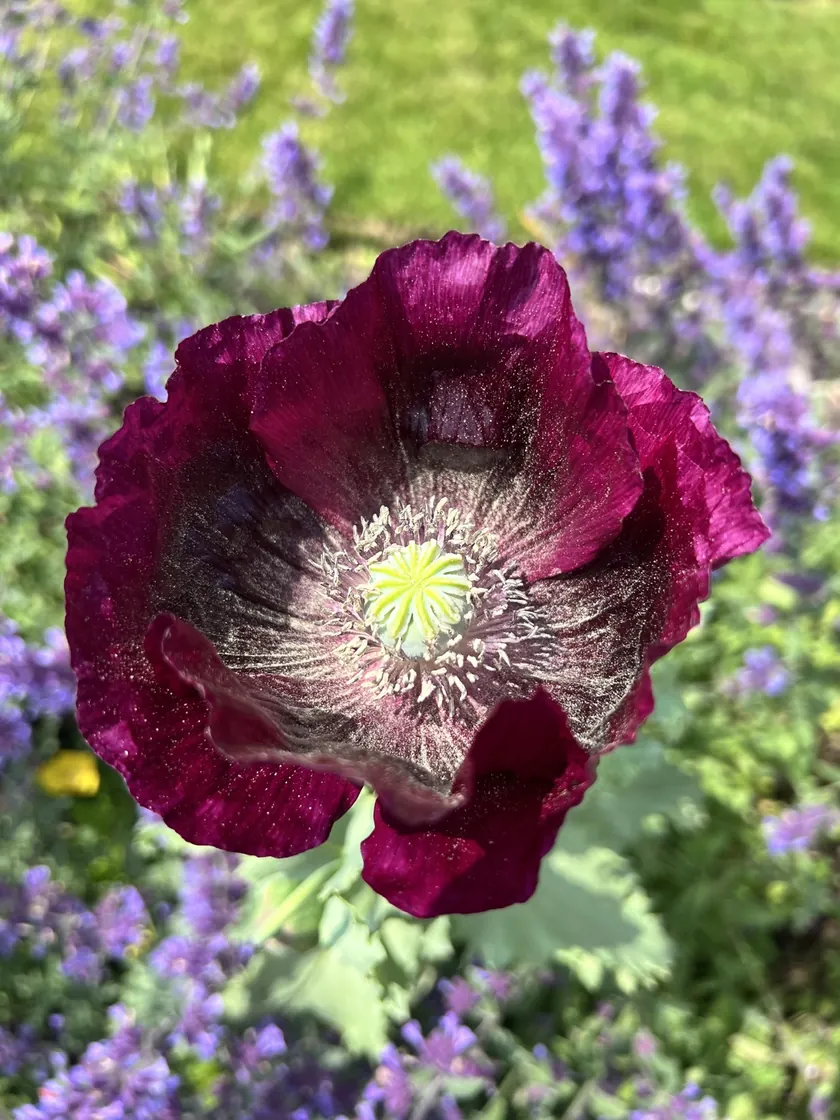 Border plantsFull sun · Well-drained
Papaver somniferum ‘Lauren’s Grape’
Those rich purple flowers are difficult to miss. Another poppy with a family name, and one I am very happy to let find its own place.
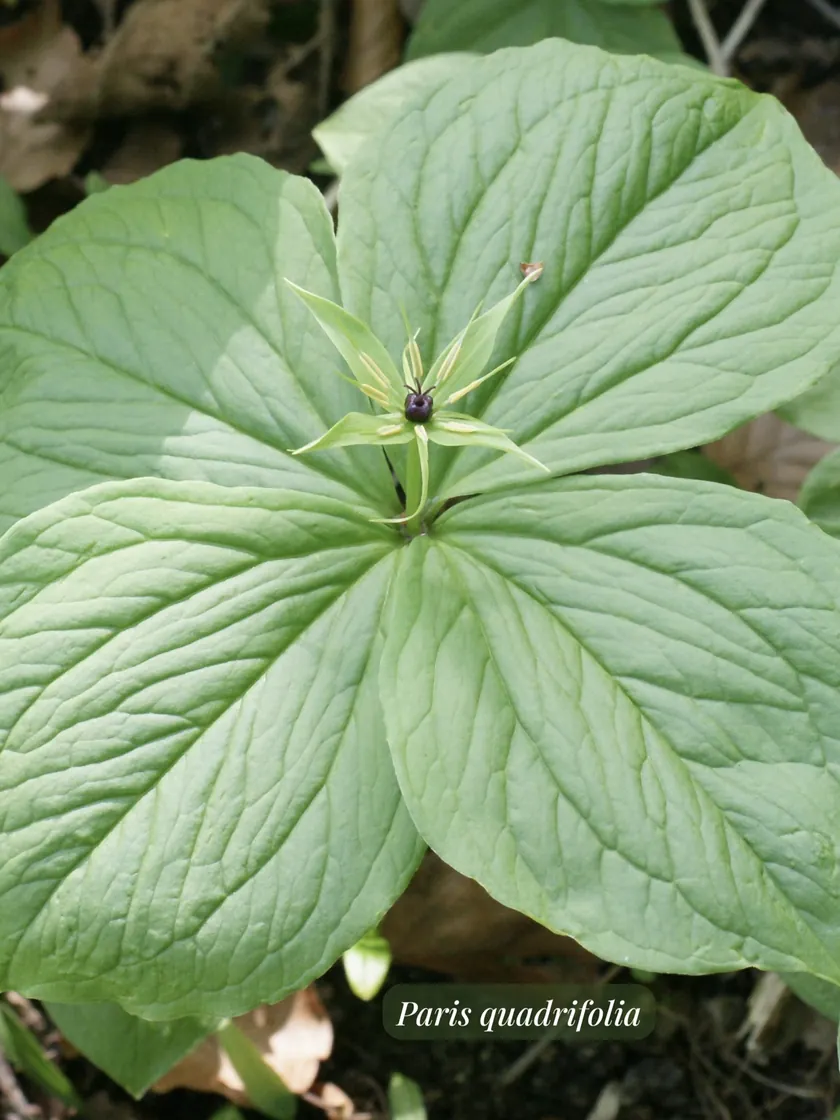 Shady borderPart shade · Full shade · Moist soil
Paris quadrifolia
Four leaves, one flower. It rewards a closer look.
 Border plantsFull sun · Part shade · Well-drained
Philadelphus ‘Belle Étoile’
A shrub is useful here for scale, and this one brings scent as well. There is something rather pleasing about a plant that announces itself before you see it.
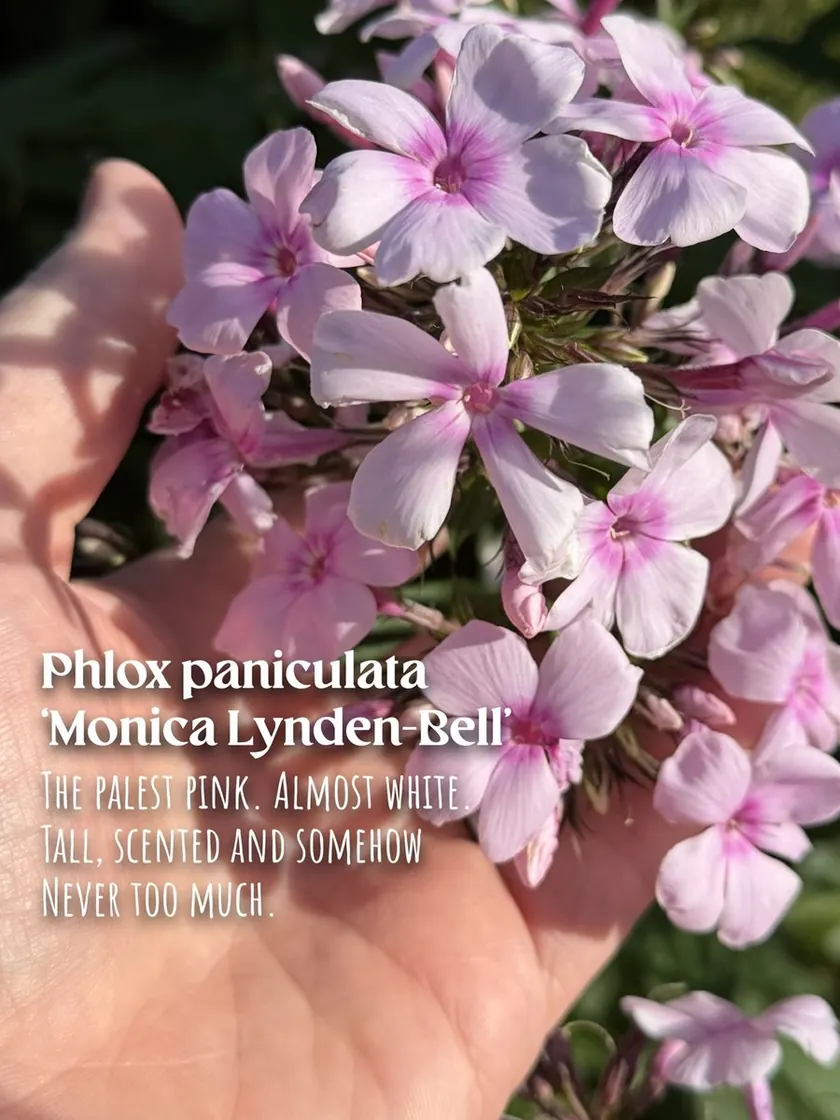 Plants worth waiting forFull sun · Part shade · Moist soil
Phlox paniculata ‘Monica Lynden-Bell’
The palest pink, almost white. Tall, scented and somehow never too much.
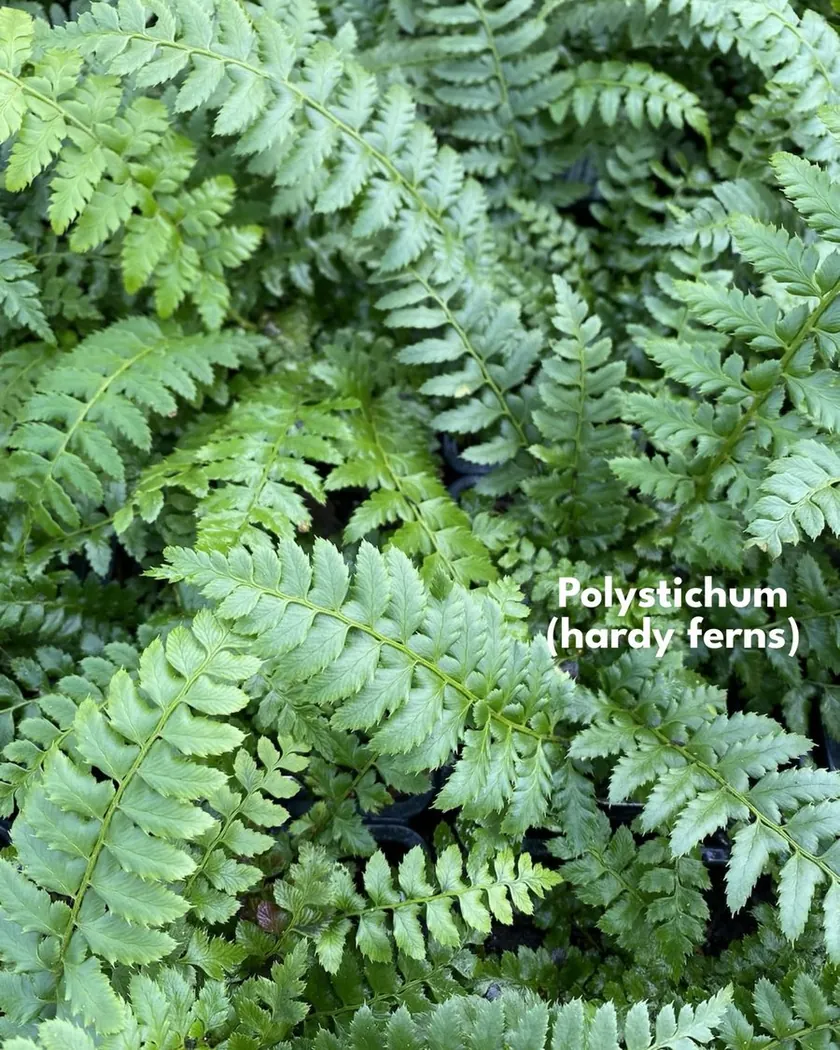 Shady gardensPart shade · Full shade · Moist soil
Polystichum
Ferns for shade when you want shape as well as green. Many keep their fronds through winter. The genus is a large one, so I would check the species before planting in dry shade. Young ferns need water and a decent start.
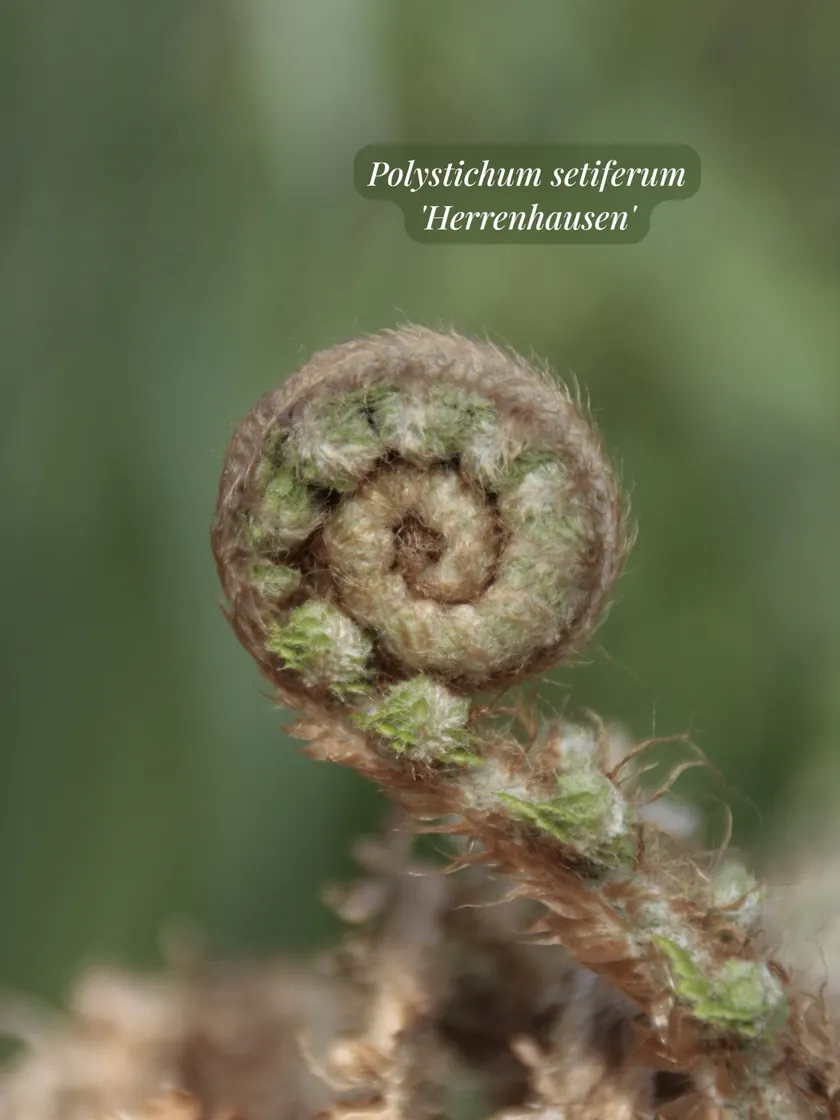 Shady borderPart shade · Full shade · Moist soil
Polystichum setiferum ‘Herrenhausen’
The curled young fronds are reason enough to stop and look closer.
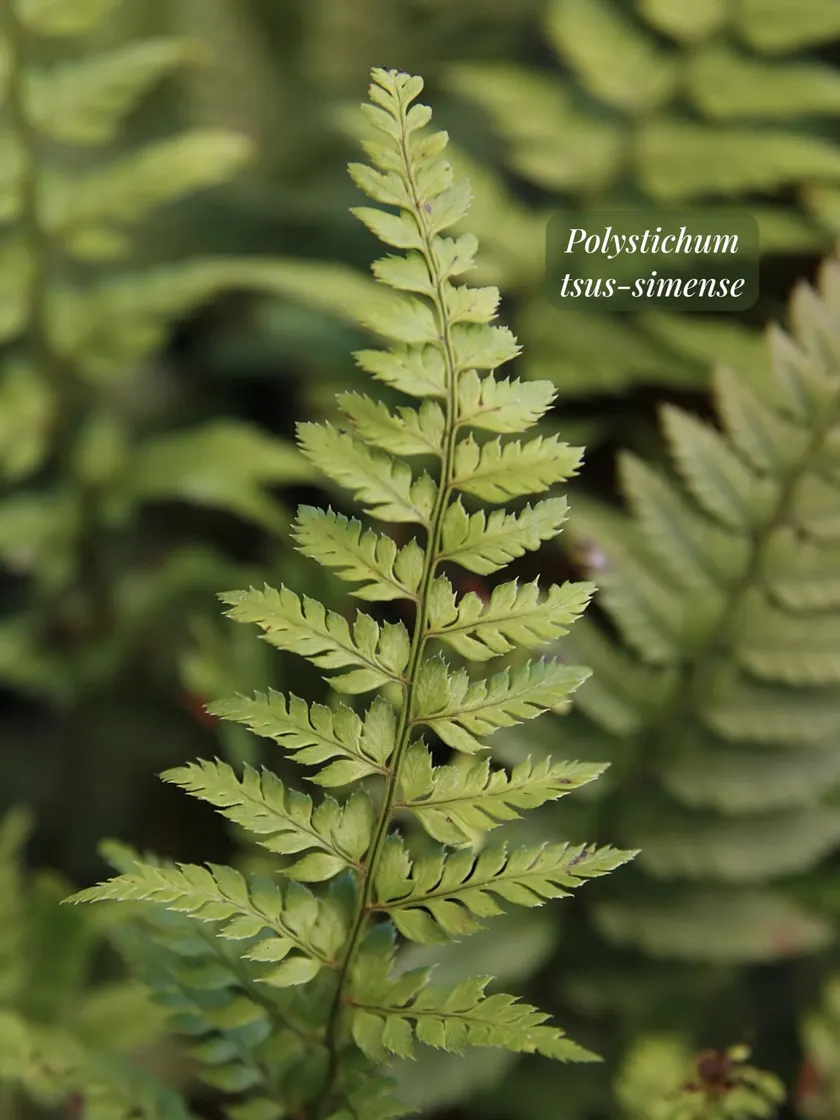 Shady borderPart shade · Full shade · Moist soil
Polystichum tsussimense
A neat fern with fronds that add texture without crowding everything else.
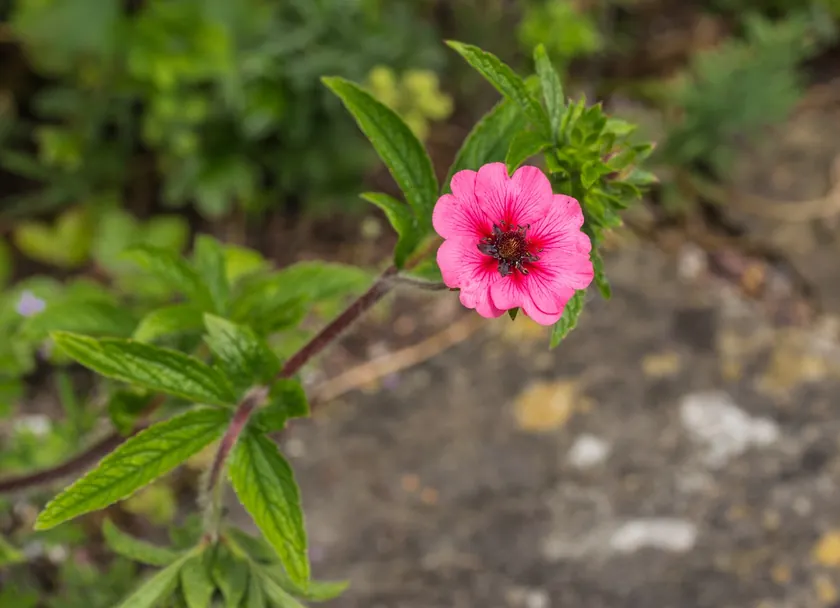 Border plantsFull sun · Well-drained
Potentilla ‘Miss Willmott’
Small pink flowers, with a little more presence than their size suggests. It helps the planting feel generous without taking over.
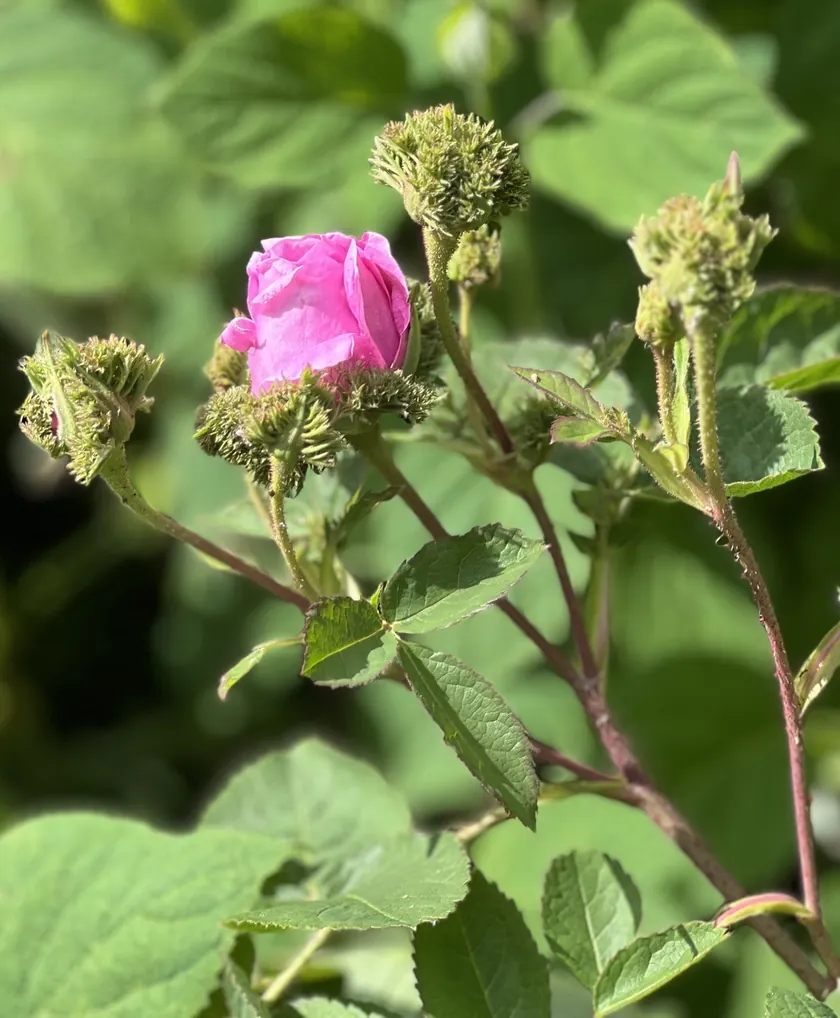 Unusual favouritesFull sun · Well-drained
Rosa ‘Chapeau de Napoléon’
Those extraordinary mossy buds are reason enough to grow it.
 Border plantsFull sun · Well-drained
Salvia ‘Caradonna’
Dark stems and upright violet flowers give the border a few sharp lines. A useful answer whenever a planting starts looking a little too soft.
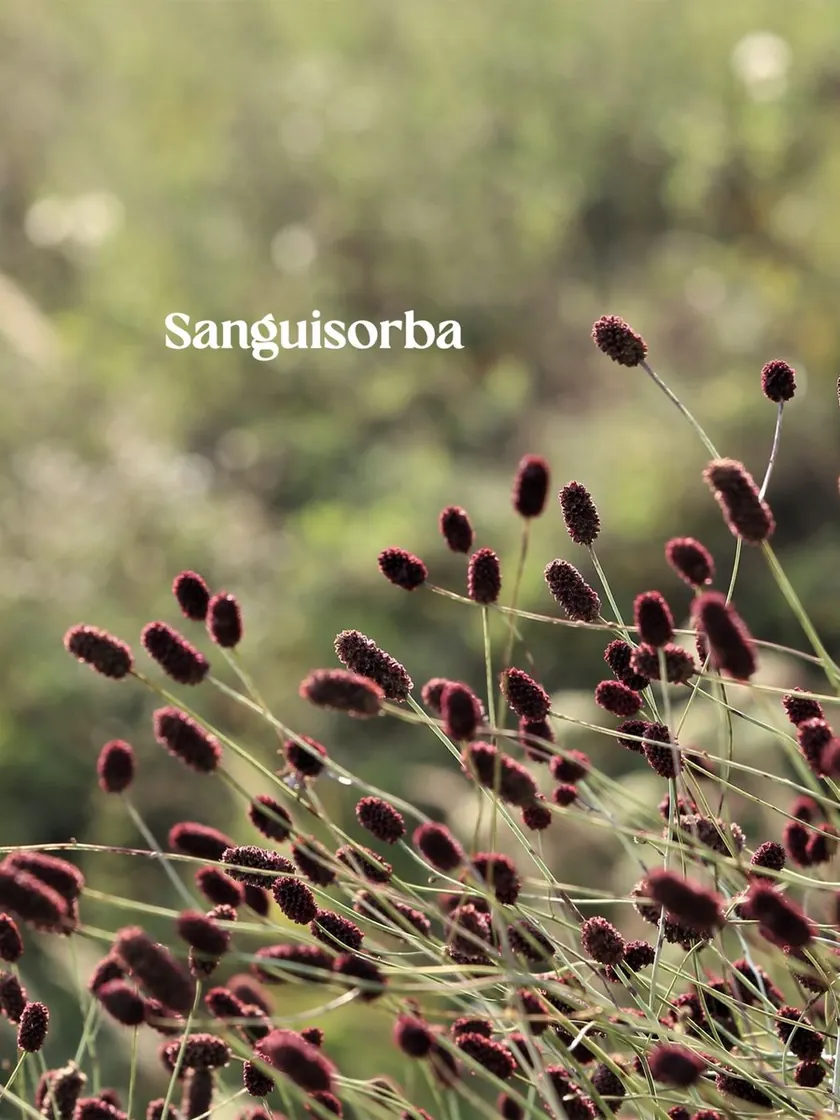 Tough plantsFull sun · Part shade · Moist soil
Sanguisorba
Those little dark flowerheads bob above the border on thin stems. I like the movement as much as the flowers. Most sanguisorbas want soil that keeps some moisture, so I would not put them in the driest spot.
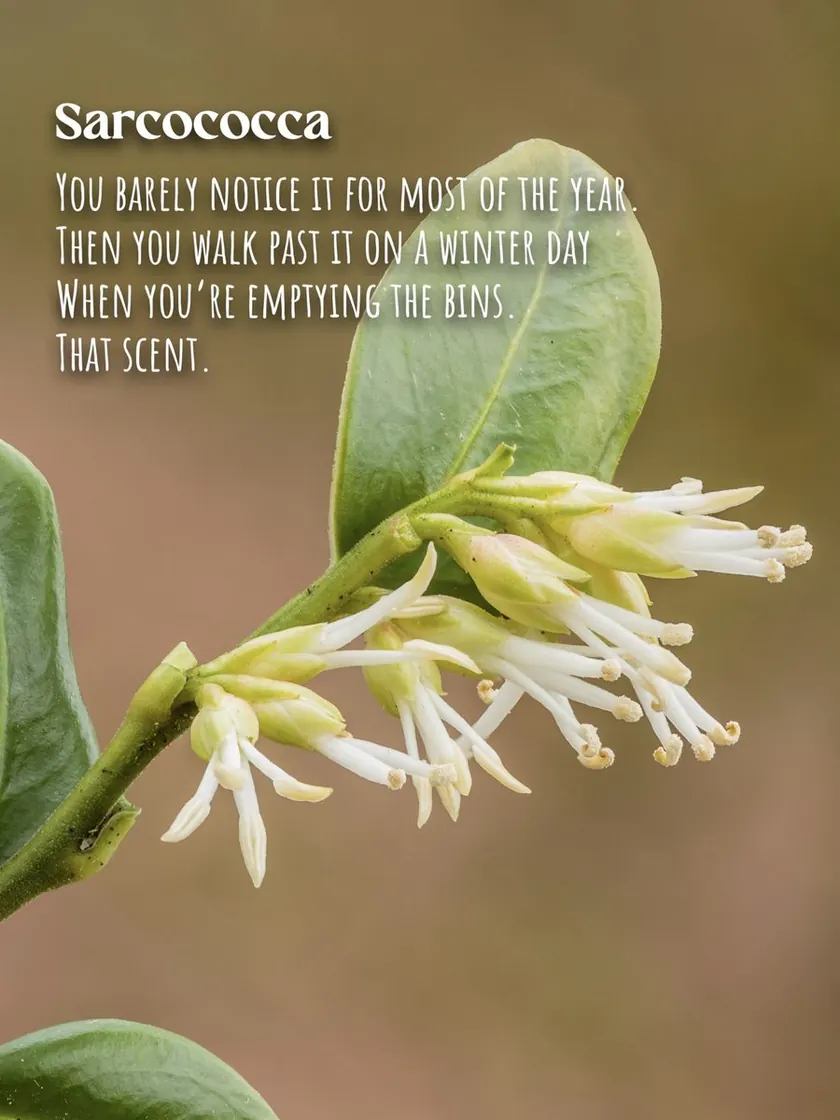 Plants worth waiting forPart shade · Full shade · Moist soil
Sarcococca
You barely notice it for most of the year. Then you walk past it on a winter day when you’re emptying the bins. That scent.
 Shady gardensPart shade · Full shade · Dry shade
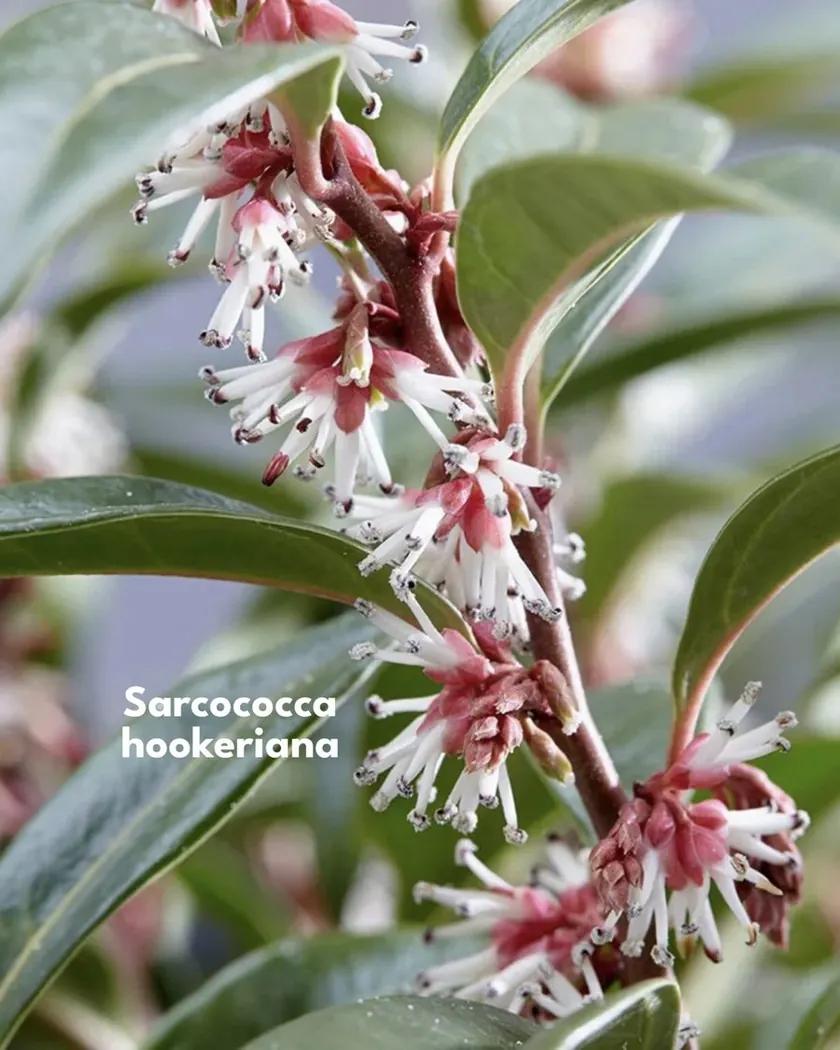
Sarcococca hookeriana
The flowers are easy to miss. The scent on a winter walk past is not. Put it near a path if you can. It tolerates dry shade once established.
 Unusual favouritesPart shade · Full shade · Moist soil
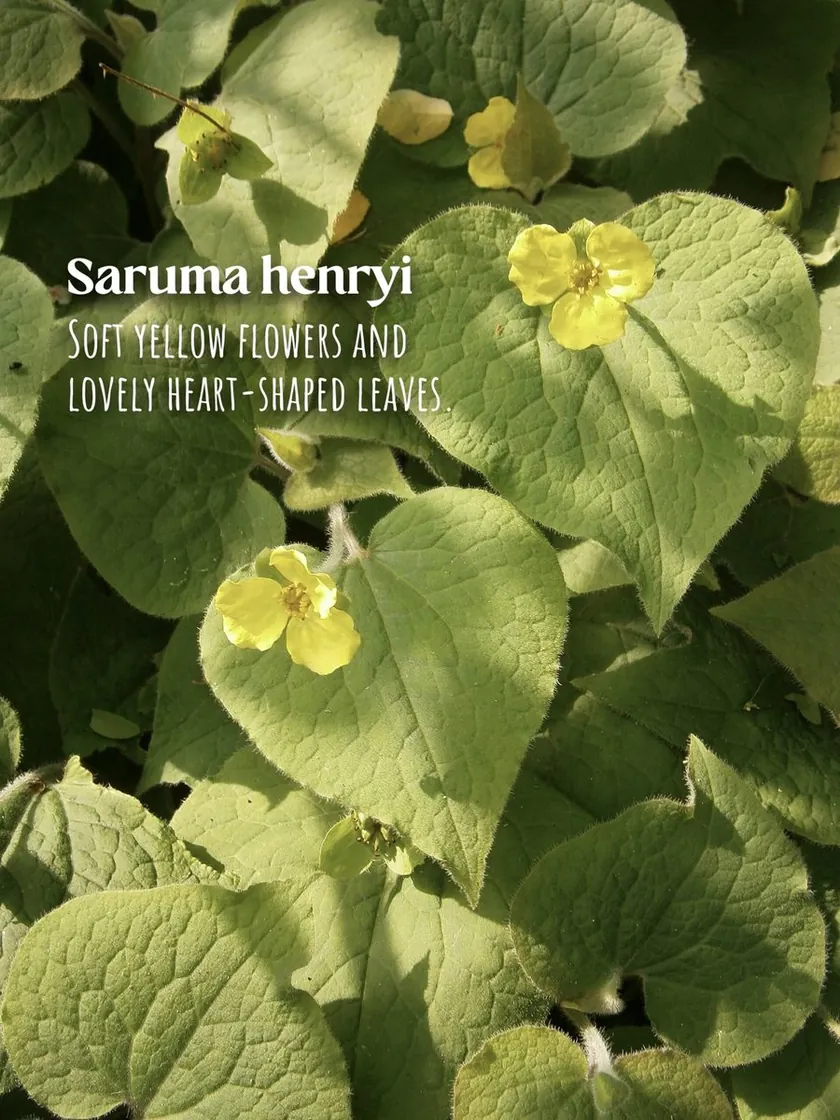
Saruma henryi
Soft yellow flowers and lovely heart-shaped leaves.
 Border plantsFull sun · Well-drained
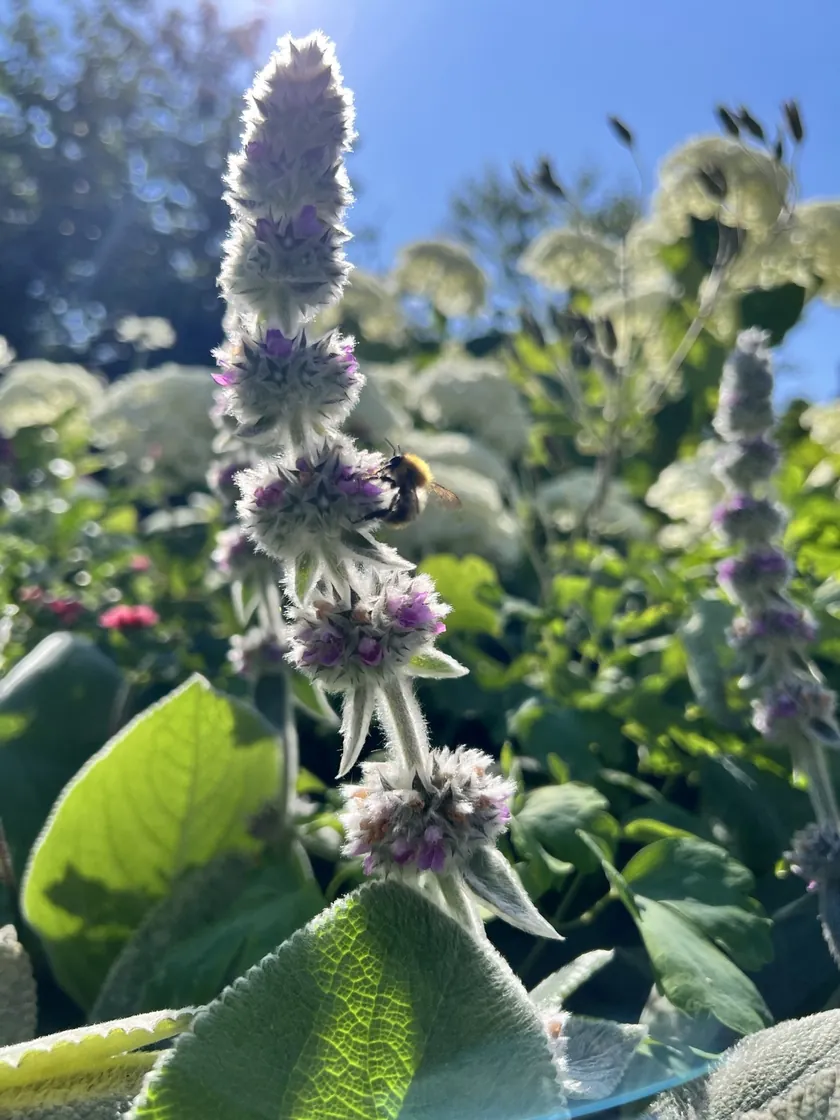
Stachys byzantina
Soft silver leaves are a useful change of pace among all that green. It earns its place even when it is nowhere near flowering.
 Border plantsFull sun · Part shade · Full shade
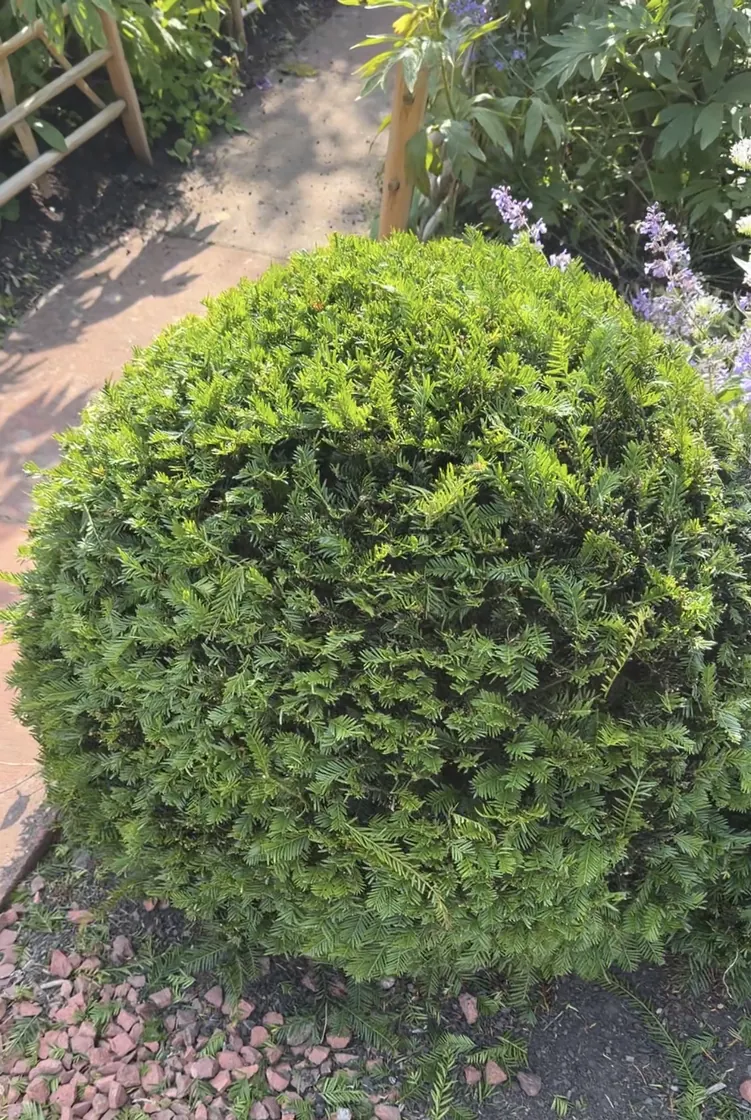
Taxus topiary balls
These are the full stops in the planting. When the flowers have come and gone, the yew still holds the border together.
 Shady gardensPart shade · Full shade · Dry shade
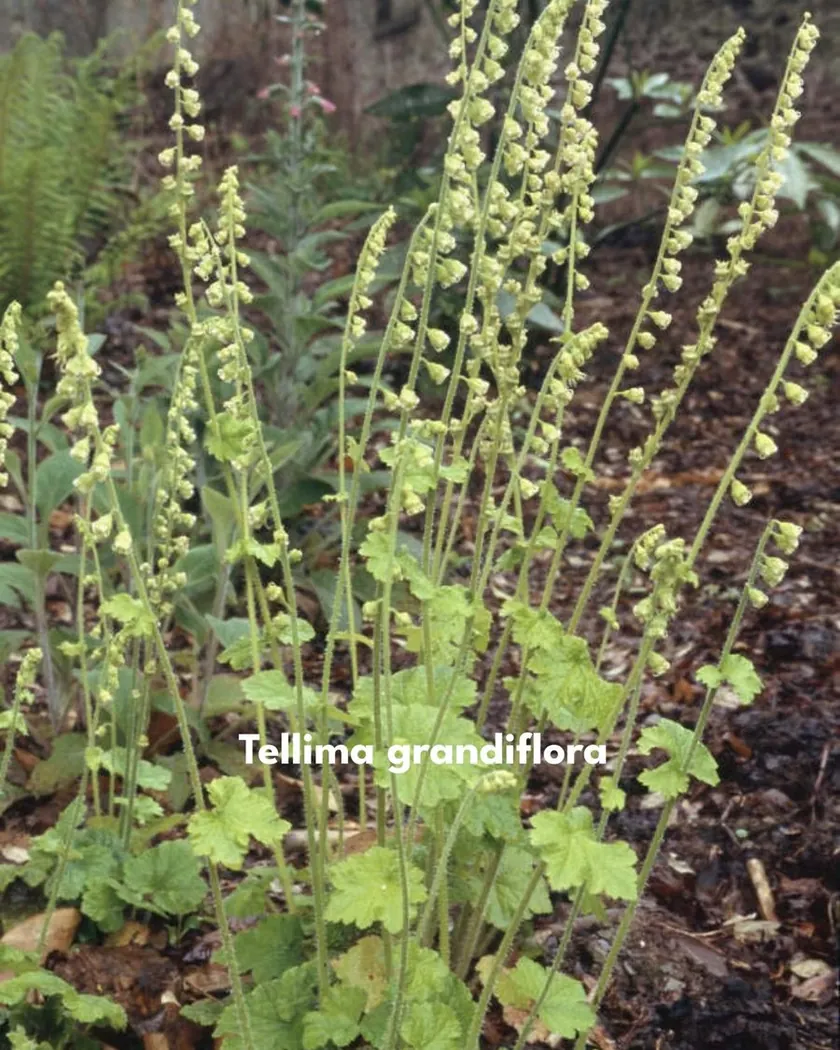
Tellima grandiflora
Rounded leaves below thin, upright flower stems. It is a quiet sort of plant, which is sometimes exactly what a shady border needs. It tolerates a drier position in shade and may seed around.
 Shady borderPart shade · Full shade · Moist soil
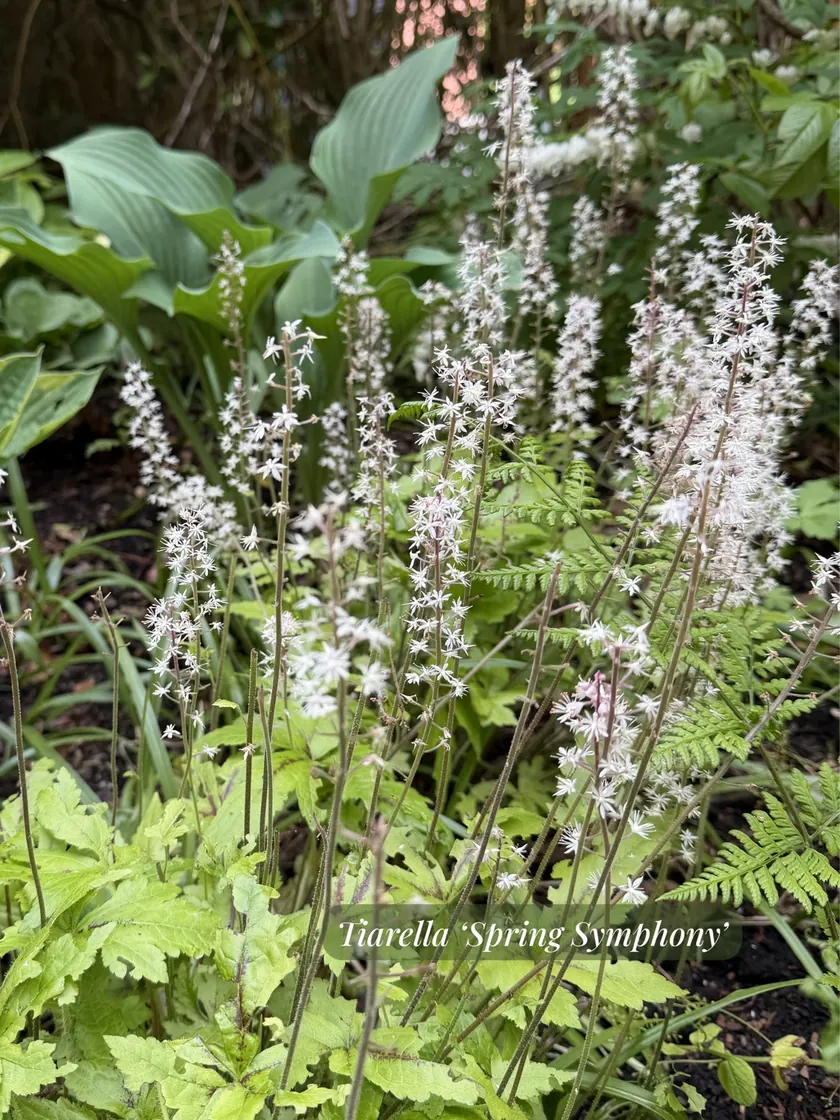
Tiarella ‘Spring Symphony’
Fine flower spikes make a light layer beneath the larger leaves.
 Border plantsFull sun · Well-drained
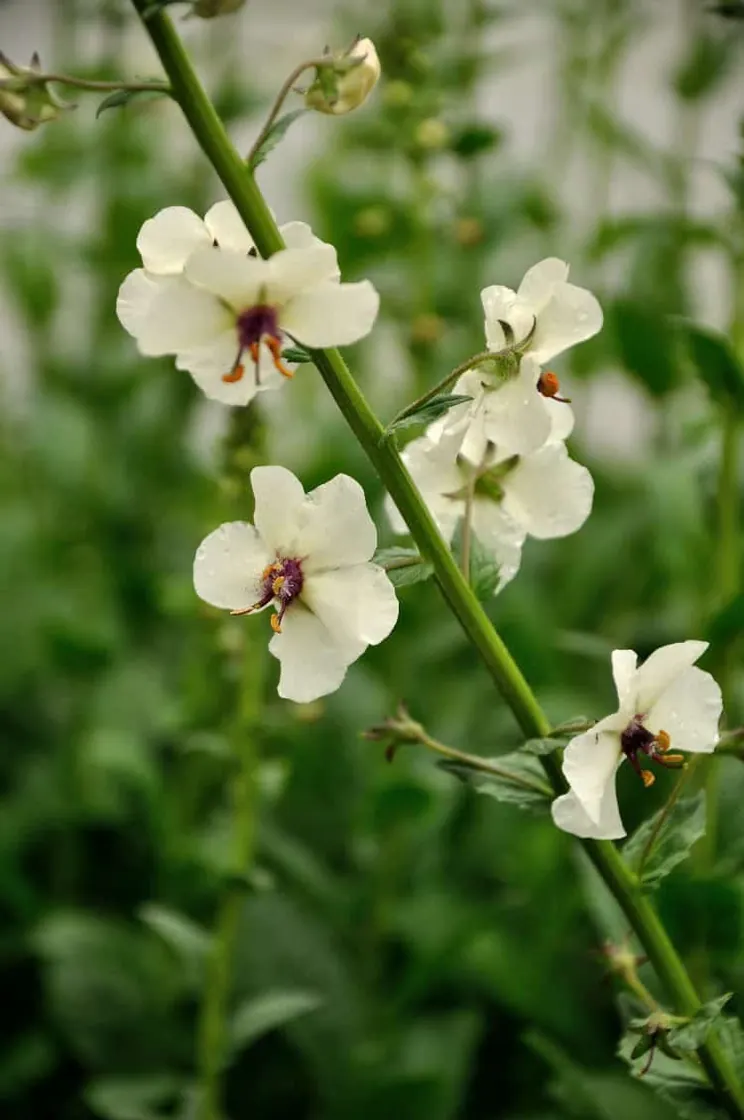
Verbascum blattaria f. albiflorum
Slender pale flower spikes add height without blocking the view. It is the sort of plant that makes the border feel lighter.
 Border plantsFull sun · Part shade · Well-drained
Veronica ‘Pink Damask’
Pink flower spikes add another rhythm to the border without making a fuss. Repeating those upright shapes helps the whole planting hang together.
 Border plantsFull sun · Part shade · Moist soil
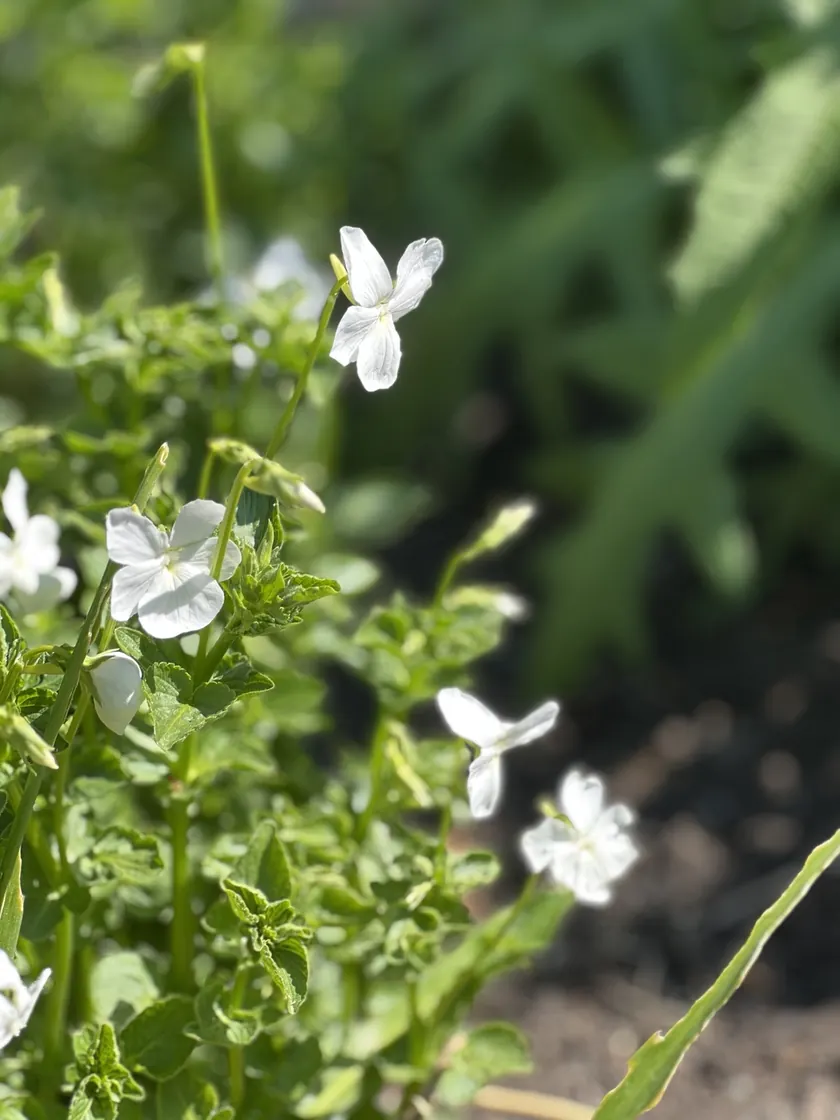
Viola cornuta ‘Alba’
Little white flowers at the edge of the planting make a lovely contrast with the larger plants behind them. Small does not mean unimportant.
No plants match your search. Try another name or filter.
From the garden